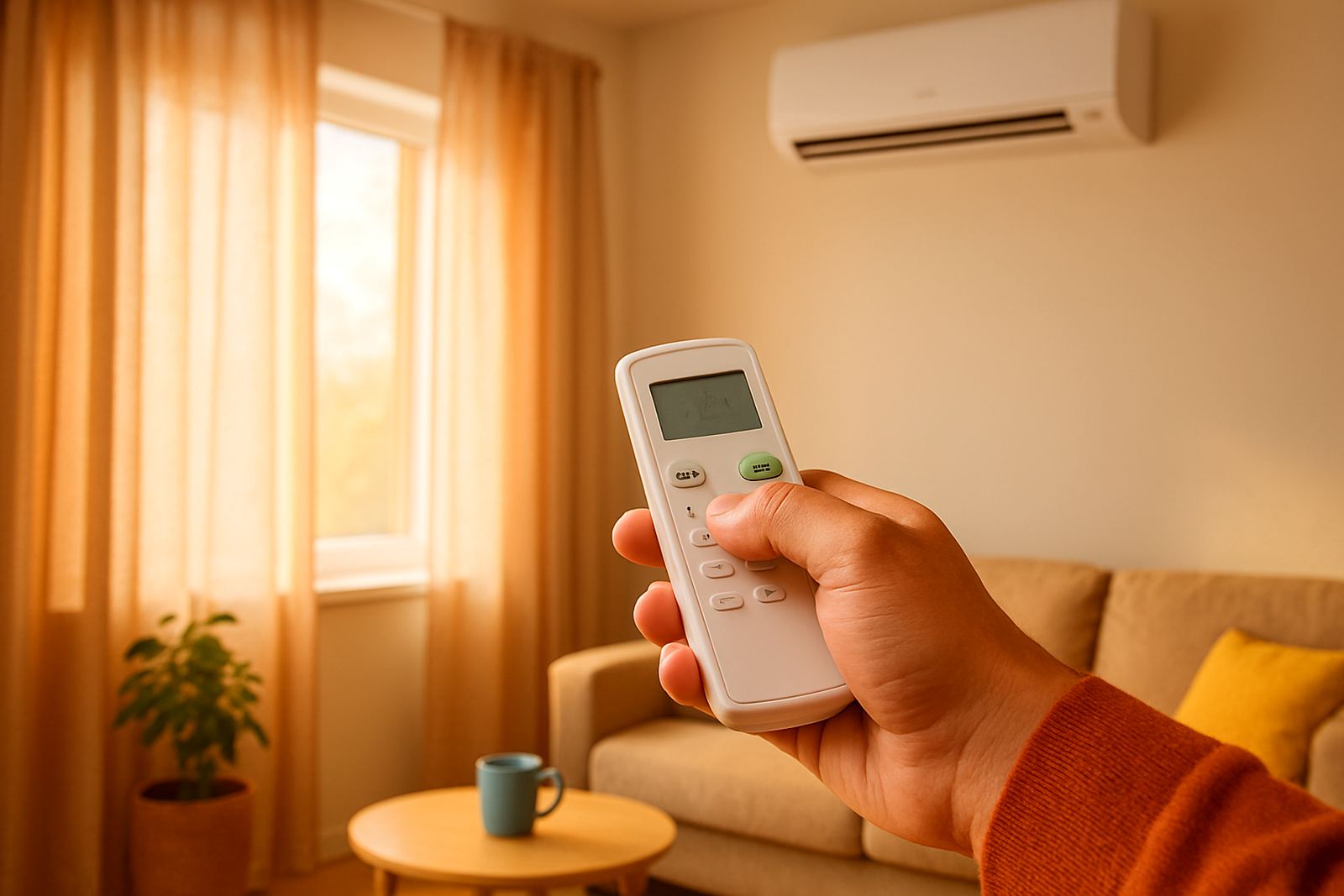
Why night mode suits South African bedrooms
Night mode, sometimes called sleep mode, changes how the unit runs after you go to bed. It usually slows the fan, eases back on cooling, and lets the room drift a little warmer as the body temperature drops. That small shift can make a big difference in comfort, especially in Gauteng where evenings can stay warm after a hot day.
In a bedroom, you do not need the same cooling power at 2 am as you did at 8 pm. If the room is too cold, people wake up, pull blankets on and off, and the aircon keeps cycling harder than it needs to. A better setpoint and gentler fan speed often means better sleep and lower overnight useage.
How sleep settings cut electricity use overnight
The biggest saving comes from reduced compressor work. Once the room reaches the chosen temperature, the unit does not need to keep blasting cold air. Instead, it maintains comfort with shorter runs and less fan activity. On inverter units, that lower demand can be especially helpful because the system can settle into a steady, efficient rhythm.
- Use a higher set temperature for sleeping, often around 24 to 26 degrees depending on the room.
- Set the fan to low or auto so it does not overcool the room.
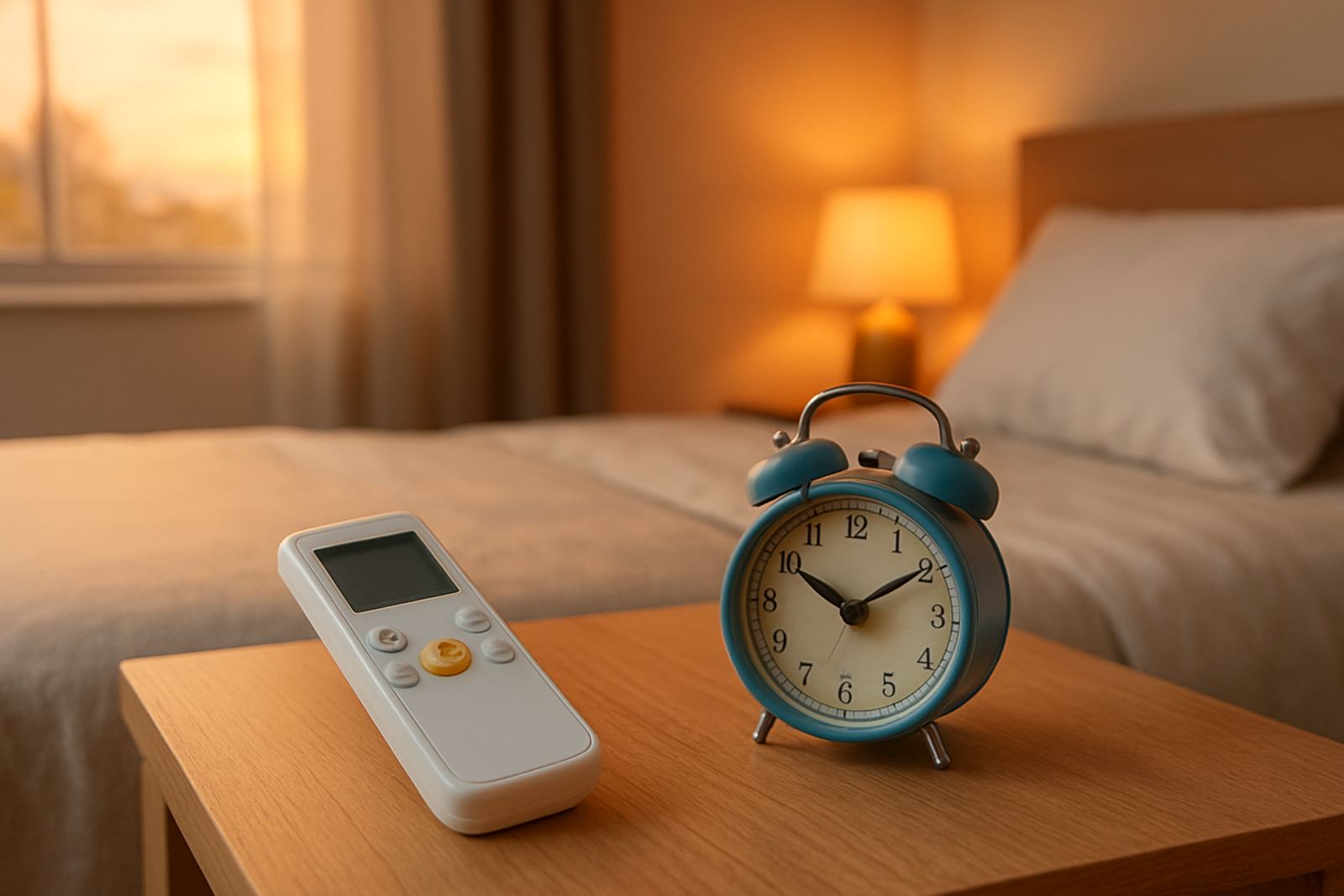
- Use the timer to avoid running the unit all night if the room cools down naturally after midnight.
- Close curtains and windows before switching on, so the unit is not fighting warm air from outside.
In a place like Randburg or Sandton, where many homes have sun-facing bedrooms, even one degree less cooling demand can help when load-shedding or high tariffs are part of the monthly picture.
Comfort gains when the room stays steady
People sleep better when the temperature stays even. Sudden bursts of cold air can wake you, dry out your throat, or leave one person under a duvet and another too warm. Night mode reduces those swings and keeps the bedroom calmer through the night.
That matters for families too. A child’s room in Midrand might need a softer setting than a home office in the West Rand, and the same is true for guest rooms that are used only some nights. The point is not to make the room icy. It is to keep the sleep environment stable enough that nobody has to keep reaching for the remote.
- Good sleep settings reduce noise from the fan.
- They can help limit dry air in small closed rooms.
- They stop the room from getting too cold by morning.
Best night mode settings for Johannesburg homes
There is no single setting that suits every house, because room size, insulation, window area and ceiling height all play a part. A north-facing room in Bryanston will behave differently from a compact flat in the East Rand. Still, some simple starting points work well in many homes.
Start with a temperature one or two degrees higher than your daytime setting. Use the timer if you know the room cools down after a few hours. If the unit has a quiet or sleep function, use that rather than dropping the temperature too low. The aim is to avoid overcooling and stop the compressor from working harder than needed during the quiet hours.
If the room feels clammy rather than cool, the unit may need a service, a gas pressure check, or better drainage. In coastal air that is less of a problem than in Johannesburg, but dust, blocked filters and poor installation can still affect overnight performance.
When night mode is not enough on its own
Sleep mode helps, but it cannot fix an undersized or badly placed unit. If a small bedroom has a unit that is too weak, it will still struggle on hot evenings. If the unit is too big, it may cool too fast then stop and start, which is not ideal for sleep or electricity use. A proper supply and fit makes a real difference from the start.
Some rooms also need a better long-term plan. Homes in Sandton with upstairs bedrooms, offices in Johannesburg North with late-night use, and townhouses in Randburg with west-facing windows often need a careful assessment. That might mean checking the room size, insulation, heat load from glass, and the position of the indoor head. For solar aircons or inverter systems, matching the unit to the daily pattern is just as important.
- Check for dust on filters every two to four weeks in summer.
- Keep doors and windows closed when cooling at night.
- Make sure the outdoor unit has clear airflow and is not overheating against a wall.
- If the unit rattles, leaks or smells musty, book a service before the next heat wave.
A practical Gauteng example from real homes
A family in Midrand may run the air-conditioner for an hour before bedtime to take the edge off a hot room, then switch to sleep mode for the rest of the night. The room stays comfortable, the fan noise drops, and the unit avoids working flat out until sunrise. That kind of setup can suit a busy household where everyone needs rest before school and work the next morning.
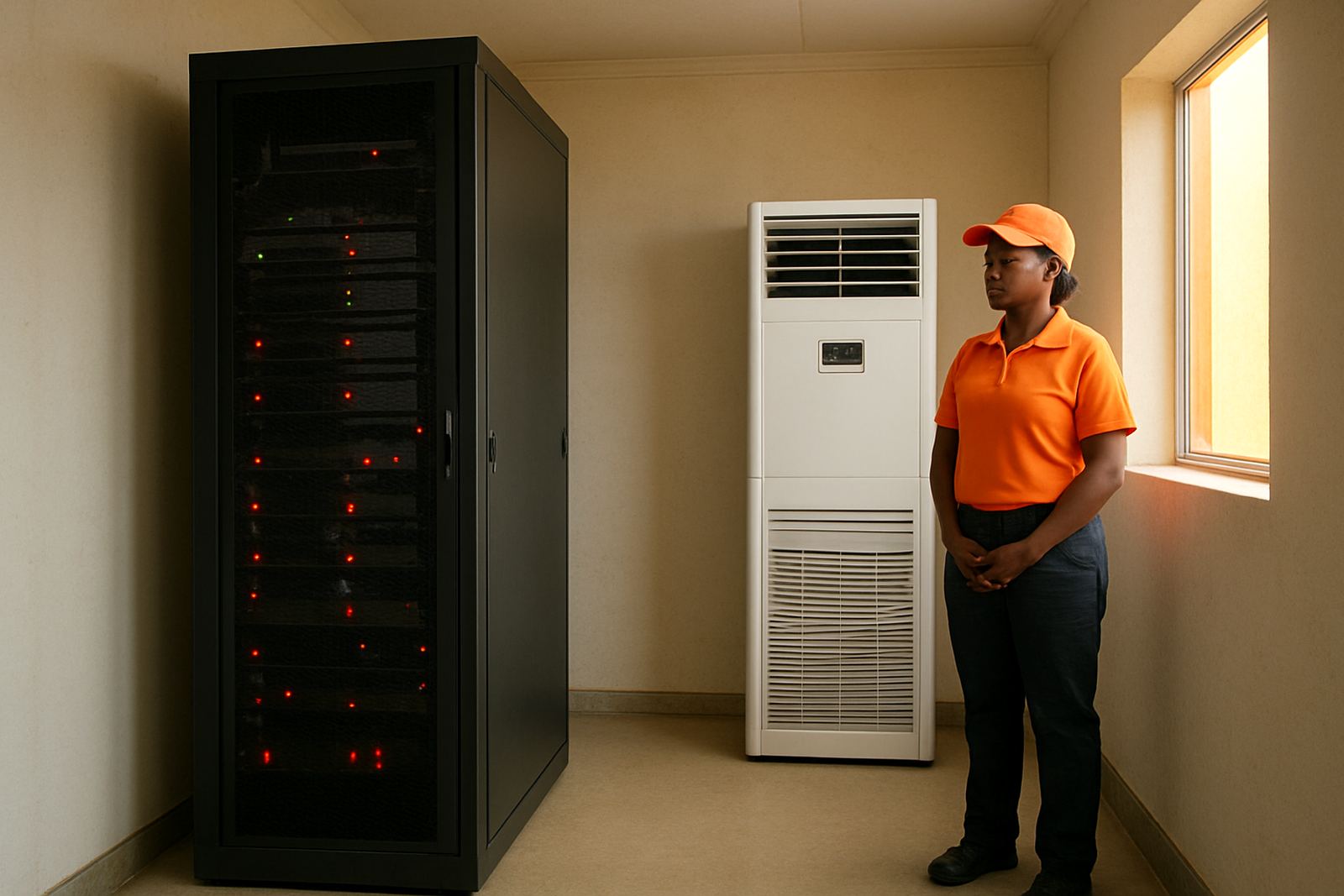
For offices with after-hours cleaning or security staff, the same thinking applies in meeting rooms, guard rooms and small admin spaces. If the area only needs light cooling overnight, a sleep setting or timer can keep it comfortable without wasting power. It is a simple habit but it often gets overlooked until the monthly bill lands.
For Johannesburg homes and offices, the best overnight setup is usually the one that keeps people sleeping well without forcing the system to run harder than it should. A small adjustment tonight can save trouble later.