Start with the temperature you actually need
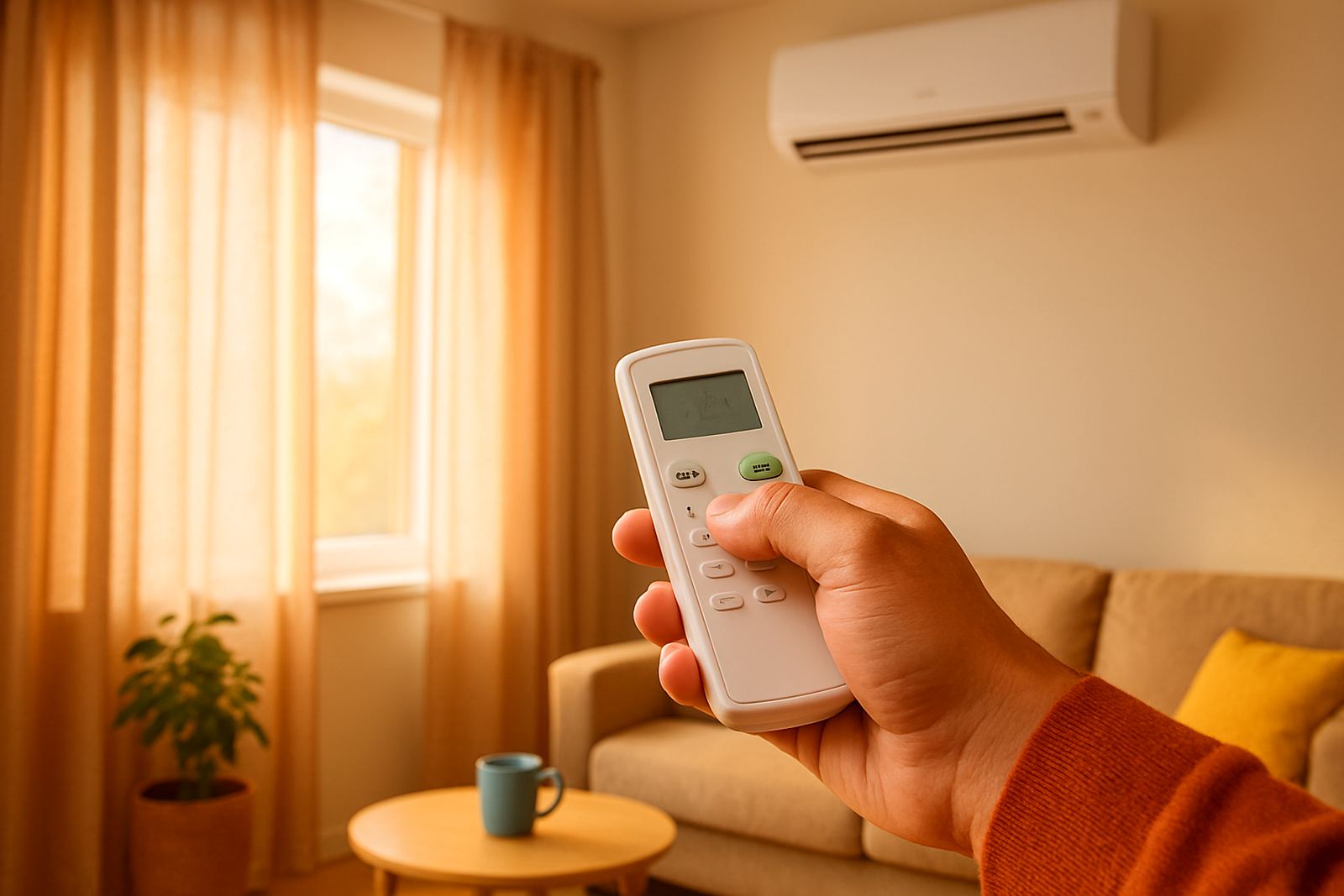
One of the quickest ways to waste power is setting the aircon too low and then leaving it there all day. In Johannesburg North and Sandton, a set point of 22 to 24 degrees C is usually a practical starting point for most homes and small offices. If the room is sunny, busy, or has many windows, you may need to adjust slightly, but there is no need to chase 18 degrees when 23 degrees will do the job.
Every extra degree lower can push the unit to run longer, especially on hotter days in Midrand or the East Rand. That adds up when the unit is on for hours. It also helps to set the fan to auto rather than forcing it on high all the time. The system then works at the level it needs, instead of pushing hard when the room is already close to the set temperature.
- Use 22 to 24 degrees C for general comfort
- Keep the fan on auto where possible
- Do not keep changing the setting every few minutes
- Give the unit time to settle before deciding it is not coping
Keep the cooled air inside the room
An aircon cannot save power if the room is leaking cold air. If doors are left open, warm air keeps entering and the system has to work harder. This is common in family homes with passage traffic, and in offices where people move in and out all day. In Randburg and the West Rand, we often see units blamed for high usage when the real issue is a room that is open to the rest of the building.
Close windows, shut the door, and check for gaps around frames if the room heats up quickly. Curtains or blinds also help, especially on west-facing rooms that take direct afternoon sun. A small habit like closing the blinds at midday can make a real difference on a hot Gauteng afternoon, and it costs nothing.
- Keep doors and windows closed while the unit is running
- Use blinds or curtains to block direct sun
- Seal obvious gaps around doors and windows
- Try not to cool a room that is open to the rest of the house
Clean filters and protect the airflow
Dirty filters make the unit struggle. When airflow is blocked, cooling slows down and the system draws more power to do the same work. In dusty areas around the East Rand or in homes near busy roads, filters can clog faster than people expect. A filter that looks only a bit dusty can already affect performance, so it is worth checking regularly.
If the indoor unit is fitted too close to curtains, shelving or tall cupboards, airflow can also be restricted. The air needs space to circulate properly. This is one of the most common issues we see on service calls. Sometimes people think the machine is undersized, but the real issue is poor airflow and a filter that has not been cleaned in months.
- Check filters every month in busy or dusty spaces
- Clean them as soon as dust starts building up
- Keep furniture and curtains away from the indoor unit
- Do not block the outdoor unit with boxes, plants or stored items
Choose the right mode for the weather and the room
Many units have more than one mode, and the wrong choice can waste power. On mild days, using a lower fan speed or a comfort setting may be enough. On very humid days, a dehumidify setting can help remove the sticky feeling without overcooling the room. This is useful in parts of Gauteng where the weather changes quickly from warm and dry to damp and uncomfortable.
In office spaces, a timer is often the best friend of the electricity bill. If staff arrive at 8 am, set the unit to start shortly before that rather than running from very early morning. The same applies after hours. There is little point keeping a room cool when nobody is there. A little planning goes a long way, and the comfort stays the same for the people who are in the room.
- Use timer settings for opening and closing times
- Try dehumidify mode when the air feels sticky
- Use lower fan speeds on milder days
- Do not run the unit earlier than needed
Match the unit to the space and the power available
Sometimes the biggest saving comes from having the correct size and type of aircon in the first place. A unit that is too small will run flat out and still not cool properly. A unit that is too large may cool the room too fast and stop before removing enough humidity, which can leave the room feeling uncomfortable. For homes in Johannesburg North, and for offices in Sandton or Midrand, room size, ceiling height, sun exposure and the number of people in the room all matter.
If you are replacing an older unit, it is worth checking whether an inverter model or a solar-ready solution would suit your usage pattern better. These systems can reduce waste by adjusting output instead of switching hard on and off all the time. That matters when load-shedding, voltage dips or long operating hours are part of daily life.
- Measure the room before choosing a unit
- Consider windows, ceiling height and heat from equipment
- Use a suitable inverter or solar option where it fits the site
- Ask for a proper site survey before replacing an older system
Keep servicing on a simple schedule
Routine servicing is one of the most practical ways to save power. A unit with low gas, dirty coils, loose wiring or a tired fan motor will need more electricity to do the same job. It may still switch on, so people ignore the warning signs until the bill climbs or the room stops cooling properly. That delay can cost more than a standard service would have.
For households, a yearly service is often enough if the unit is used normally. For offices, salons, shops and other spaces that run aircons most days, servicing may need to happen more often. The same is true near the coast or in very dusty areas, although Gauteng is generally kinder than humid coastal sites. If the unit starts making new noises, leaking water or blowing weak air, do not wait. It is easier to fix a small issue than to replace a major part later.
At Airconditioning Superstore, we see the same pattern again and again: the people who plan maintenance early get better comfort and lower running costs. The people who wait until summer is in full swing usually spend more, and sit in discomfort while they wait for attention.