Why service intervals matter in Gauteng weather
In Johannesburg, an air-conditioner is not only fighting heat. It also deals with dust, dry winter air, summer storms and power cuts that make units start and stop more often than they should. That extra wear shows up in higher electricity use, weak cooling, water drips and noisy fans.
A proper service keeps the filters, coils, drain line and electrical parts in check. It also helps you spot small problems before they become a full breakdown in December, when every technician in Gauteng is booked. For homes in Sandton and Randburg, a well-kept unit usually runs quieter and cools faster. In offices across Midrand or the East Rand, it also means fewer complaints from staff and less downtime.
The short answer is this: the more a unit runs, the more often it needs attention. A spare bedroom system used a few weeks a year will not need the same schedule as a retail shop or a boardroom that runs most days.
How often homes should book aircon servicing
For most houses, once a year is the minimum. That service should be done before the hottest months, usually between September and November. If the system is used daily, if the home has pets, or if the property sits near a busy road or construction area, a second check mid-summer is a good idea.
Families in Johannesburg North often ask whether a split unit in one room can go two years without attention. It can, but that is where trouble starts. Dust builds up on the indoor coil, the drain line can block and the compressor works harder than it should. A yearly service is still the safer plan.
- Light home use: every 12 months
- Heavy daily use: every 6 to 9 months
- Homes with pets, dust or allergy concerns: every 6 months
- Units near the coast or in very damp areas: every 6 months
If you have a solar aircon or an inverter model, do not assume it needs less attention. It may use power more efficiently, but the filters, gas pressures and fan motors still need checking. The cleaner the system stays, the better it performs during load-shedding and heat waves.
Offices, shops and small factories need tighter schedules
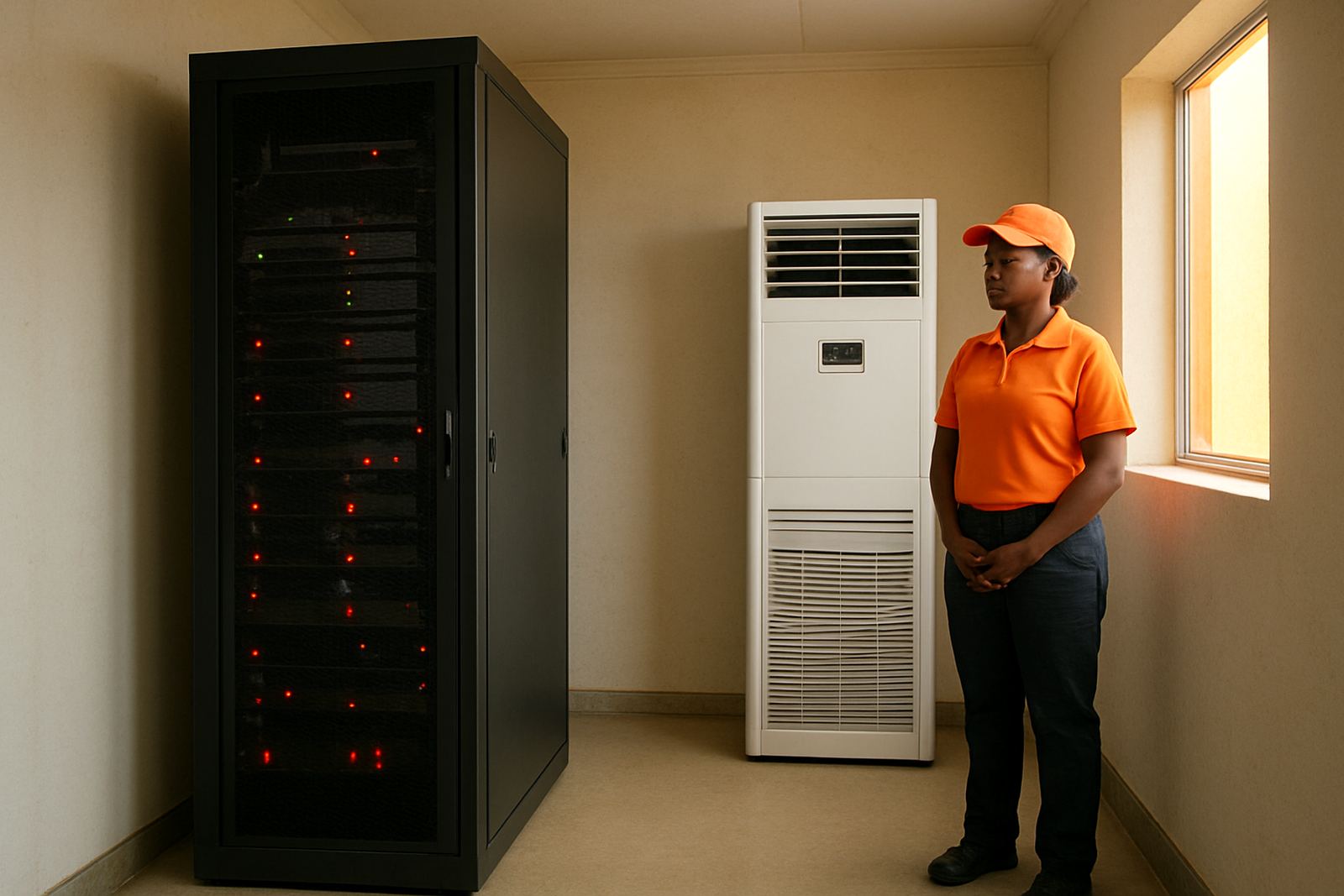
Commercial units work harder because people open doors often, printers and computers add heat, and some spaces run for 10 to 14 hours a day. A small office may get by with two services a year, while a shop, restaurant or medical space may need three or four. It depends on traffic, dust and how important stable indoor temperatures are to your business.
For offices in Sandton and Midrand, we usually suggest checking the system before summer, then again near the middle of the hot season. Retail sites in the East Rand or West Rand may need more frequent filter cleaning because doors open all day and dust enters from the street. If the building has more than one indoor unit, a planned maintenance schedule is easier than waiting for one unit to fail and then trying to fix the lot.
- Small office: 2 services a year
- Busy office or call centre: 3 services a year
- Shopfront, restaurant or clinic: every 3 to 4 months
- Light industrial or high-dust site: every 3 months
Commercial site surveys help set the right frequency. The size of the room, number of people, ceiling height and glass area all change the load on the system. A unit that looks fine on paper can struggle once the room fills up in peak hours.
Warning signs that the next service should not wait
Sometimes the calendar is not the best guide. If a unit starts making a new sound or cooling takes longer than before, it is due for attention even if the last service was recent. Early signs are easy to ignore, but they usually point to dirt, low gas, blocked drainage or a part wearing out.
Watch for these signs:
- Airflow feels weak from the indoor unit
- The unit smells damp or musty when it starts
- Water is dripping from the indoor head
- The outdoor unit sounds louder than usual
- The room never reaches the set temperature
- The circuit trips when the aircon starts
If the system is short cycling, icing up or switching on and off after a power cut, get it checked soon. In many cases the fix is simple, but leaving it can damage the compressor. That is an expensive part to lose, and sometimes the whole unit ends up needing replacement.
Seasonal timing that works for Johannesburg homes and businesses
The easiest way to manage servicing is to plan around the weather. Spring is the best time for most households because the system can be tested before the first real heat. Businesses that rely on steady cooling should not wait for summer bookings to open up. Book early and you get a better choice of dates.
As a rule, this timing works well in Gauteng:
- Spring: full service and deep clean
- Mid-summer: check for heavy-use systems and drainage issues
- Autumn: inspect units after the main cooling season
- Before winter: service heat pump water heaters and heating mode systems
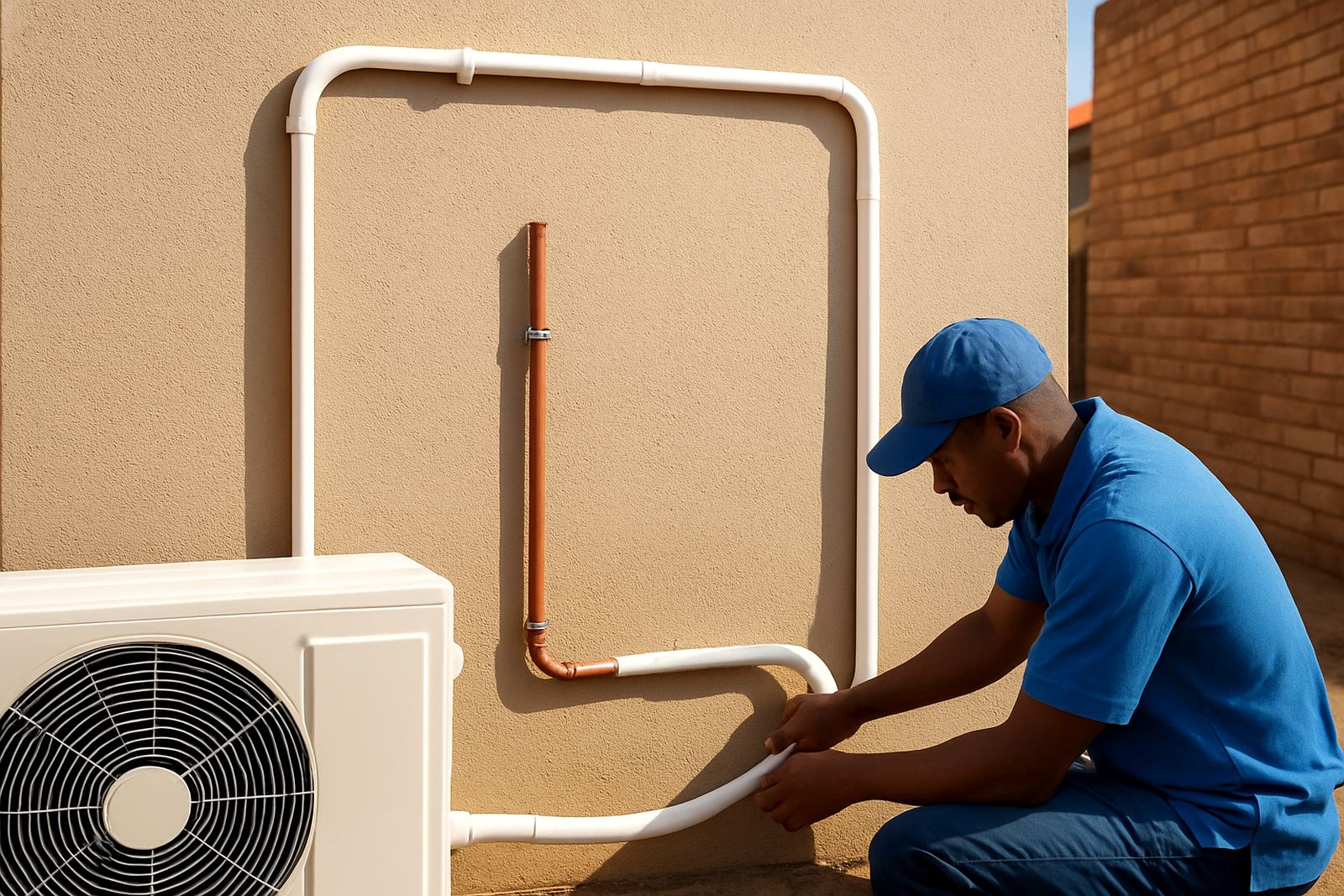
Heat pumps need attention too, especially where hot water demand is high. If the water heater runs every day for staff bathrooms, guest rooms or family use, a yearly service is sensible. The same applies to properties that depend on warm water through winter. A small leak or scale build-up can increase power use and shorten equipment life.
How a maintenance plan saves money over the year
Many owners think service costs are only an expense until a breakdown happens. Then the call-out, repair and lost time add up fast. A maintenance plan spreads the work across the year and makes budgeting simpler. It also means filters, gas levels and electrical connections are checked before they become a problem.
For landlords, sectional title complexes and businesses with several units, planned servicing is usually the practical route. It helps you keep a record of each system, which matters when tenants change or a fault keeps returning. In some buildings, the difference between regular service and no service is plain to see after one summer. The units with clean coils and clear drains run better and last longer.
At our Johannesburg North base, we see this often in offices that try to save money by skipping service for a year or two. The first winter seems fine, then summer hits and the system starts failing under pressure. Regular servicing is not flashy, but it is cheaper than emergency repairs and replacing parts that should have lasted longer.
A local example from a busy Gauteng office
One Midrand office we look after has eight split units running through open-plan work areas and meeting rooms. The staff were calling for repairs every few months, mostly because the filters clogged and the drain lines backed up after dusty weeks. We moved them onto a three-service plan each year, with an extra filter check before peak summer.
After that, the office had fewer complaints about warm rooms and the units stopped tripping after afternoon storms. The manager also noticed the electricity account settled down a bit, since the systems were not working as hard to push air through blocked filters. It was not magic, just proper timing and consistent upkeep.
That is the point of a service frequency guide. It is not one rule for everyone. It is a practical way to match the service to the way the system is actually used.