What our maintenance plans cover
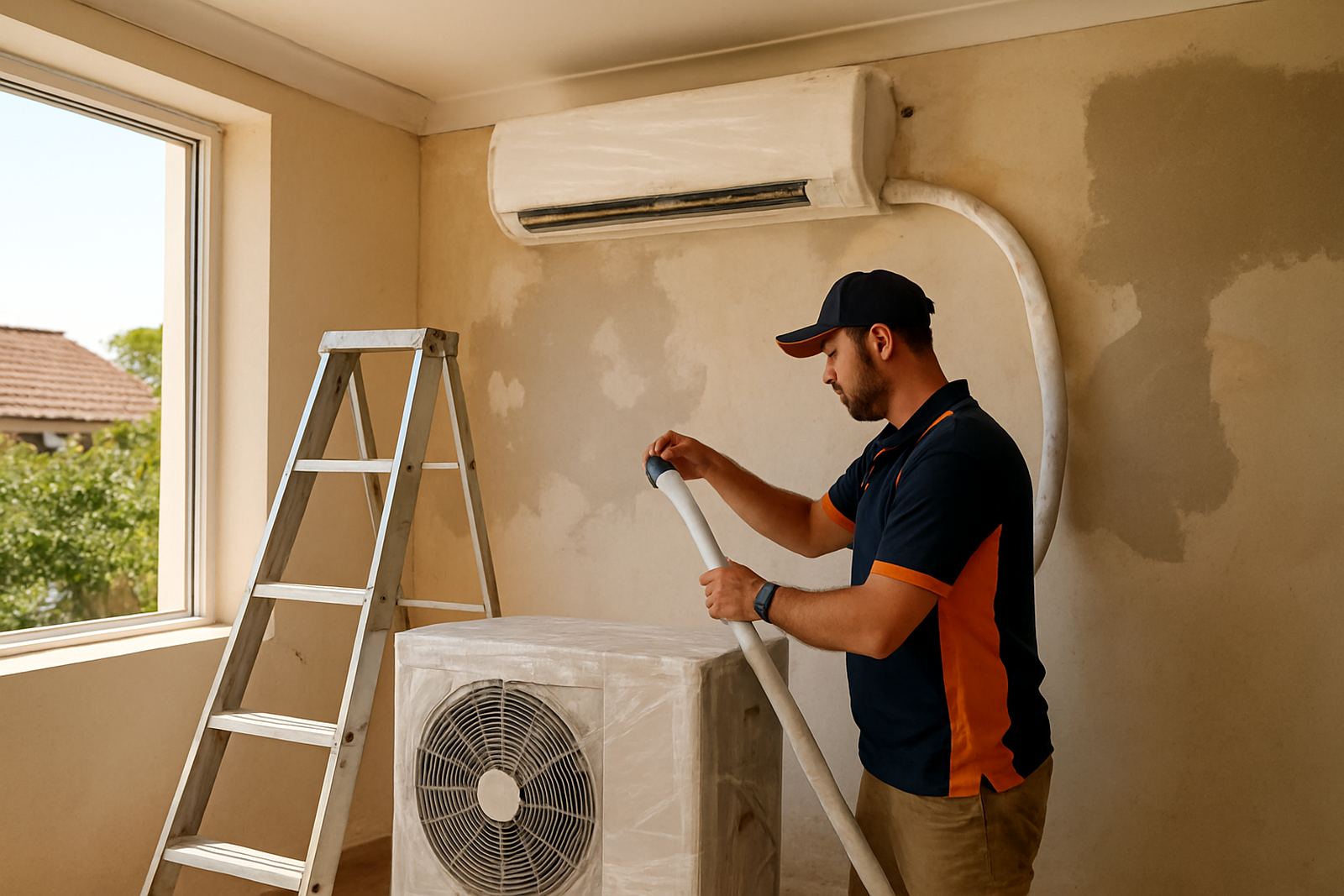
Our maintenance plans are set up for businesses that want planned servicing rather than waiting for a breakdown. We look after split units, inverter systems, solar aircons, heat pumps and atmospheric water generators across offices, retail spaces, sectional title complexes and light commercial sites. Each plan is matched to the number of units, the usage level and the site conditions, because a boardroom in Sandton does not need the same interval as a warehouse in Midrand.
Standard visits focus on the parts that keep equipment healthy: filters, indoor and outdoor coils, drain pans, refrigerant pressure, electrical connections, fan motors, thermostats and general operating performance. We also check for signs of poor airflow, blocked condensate lines, unusual vibration and early wear. If a unit is pulling higher current than normal or cycling too often, we note it before it becomes an expensive repair.
- Indoor and outdoor cleaning
- Electrical safety checks
- Drain and condensate checks
- Performance readings and fault notes
- Basic consumables advised where needed
Why planned care matters in Gauteng
Johannesburg dust, summer storms and winter heating use all put strain on equipment. When loadshedding hits, systems that have been sitting idle can start up with trouble if they have not been checked properly. In coastal humidity people often worry about corrosion, but inland sites have their own problems too, like fine dust getting into coils and air filters much quicker than expected.
With a maintenance plan, your team is not scrambling to find help after office hours. Visits are scheduled in advance, so the work can be done before peak season. This helps reduce emergency callouts, lowers the chance of water leaks over ceilings, and keeps staff comfortable in meeting rooms, reception areas and server rooms. It also gives you a paper trail for landlord requirements, internal audits and asset records.
- Fewer surprise breakdowns
- Better energy use from clean, serviced units
- Cleaner indoor air for staff and visitors
- Reduced risk of water damage from blocked drains
- Useful servicing records for compliance and handovers
How the maintenance process works
We keep the process simple. First we assess the site and count the equipment that needs regular attention. Then we recommend a service interval and prepare a plan that fits the business hours and access times. Some clients prefer early morning visits, others need after-hours work so the office can keep running without disruption. We can work around security gates, loading bays and building manager rules.
On service day our technician arrives with the right tools and checks each unit against the planned schedule. After the visit, you receive a summary of what was done, what was found and what may need attention soon. If we spot a fault that needs extra parts or a larger repair, we explain it clearly so you can approve the next step without guesswork.
- Site assessment and equipment listing
- Planned interval set for each system type
- Booked visit with access and timing confirmed
- Service carried out and results recorded
- Follow-up quote issued for any extra repairs
Recommended maintenance intervals
The right interval depends on use, dust levels and how long the systems run each day. A small office with light use can often manage on a six-month cycle, while busy commercial sites may need quarterly attention. Heat pumps serving a pool or geyser normally need regular checks before the colder months and again after heavy summer use. Atmospheric water generators need scheduled cleaning and filter attention to keep output steady and hygienic.
For most Johannesburg businesses, we suggest the following starting points: aircons every 3 to 6 months, heat pumps every 6 months and atmospheric water generators every 3 months. Sites with many people, cooking areas, or constant door traffic may need tighter intervals. We also factor in whether your equipment runs through the night, which can shorten service periods quite a bit.
- Light office use: 6 monthly
- Busy office or retail: 3 monthly to 4 monthly
- Heat pumps: 6 monthly, before seasonal change
- Water generators: 3 monthly, with hygiene checks
- High dust or high load sites: interval adjusted after assessment
Pricing and what affects the quote
Our pricing is based on the number of units, the type of equipment, the site access and the frequency of visits. A single plan for a small office is priced differently from a multi-floor building with several indoor units, rooftop condensers and after-hours access. We keep the pricing practical and itemised so you can see what is included each month or per visit.
Where possible we bundle routine labour, inspection and cleaning into the plan. Parts, refrigerant top-ups, major electrical repairs and replacement components are quoted separately if needed. This keeps the monthly or quarterly cost predictable, while still allowing for proper repair work when a fault is found. If you manage multiple sites in Johannesburg North, Sandton or the East Rand, we can structure visits to reduce travel time and admin.
- Number of units on site
- Unit type and service difficulty
- Visit frequency required
- Access conditions and after-hours work
- Any added repair or parts cost, quoted separately
What you receive after each visit
Every completed visit is recorded, and that record matters when equipment is shared across tenants or handed over between facilities teams. We note the serial numbers or unit references, the work carried out, the readings taken and any issues that need monitoring. This is helpful for property managers, schools, office parks and companies with procurement rules.
You also get practical feedback. If a unit is short cycling, blowing weak air or using more power than expected, we say so in plain language. If a drain line is starting to clog, or a contactor shows signs of wear, you know before the next hot spell hits. That means less downtime and fewer angry calls from staff who just want the aircon to work on a 35 degree day.
- Service record for each visit
- Condition notes per unit
- Faults flagged early where needed
- Repair recommendations if required
- Scheduling for the next planned visit
Key facts
| Coverage area | Johannesburg North, Sandton, Randburg, Midrand, East Rand and West Rand |
|---|---|
| Equipment covered | Split aircons, inverter systems, solar aircons, heat pumps, atmospheric water generators |
| Typical intervals | 3 monthly, 6 monthly or site-specific |
| Visit types | Routine servicing, inspections, cleaning, checks and reporting |
| Turnaround | Scheduled visits arranged around business hours, with urgent callouts subject to availability |
| Pricing approach | Quoted per site or per unit, based on equipment count, access and service frequency |