What the Bryanston homeowner asked us to solve
The brief came from a private home in Bryanston, Johannesburg North. The owners wanted lower monthly electricity use, more stable hot water through the day, and a cleaner solution for a property that already had a busy roofline, limited side access, and a neat garden area they did not want disturbed. Their existing electric hot water setup was old, costly to run, and sensitive to peak demand when the household used showers, laundry, and kitchen hot water at the same time.
They also wanted something practical for Gauteng conditions. Summer heat can push water temperatures high enough to affect equipment performance, while winter mornings in Bryanston can be cool enough to expose weak systems. Load-shedding had already shown them that a basic electric geyser arrangement is not the best long-term answer if the house wants better control over power use. The request was simple: replace the conventional setup with a heat pump system that would fit the house properly and work without constant attention.
Site conditions, access and installation limits
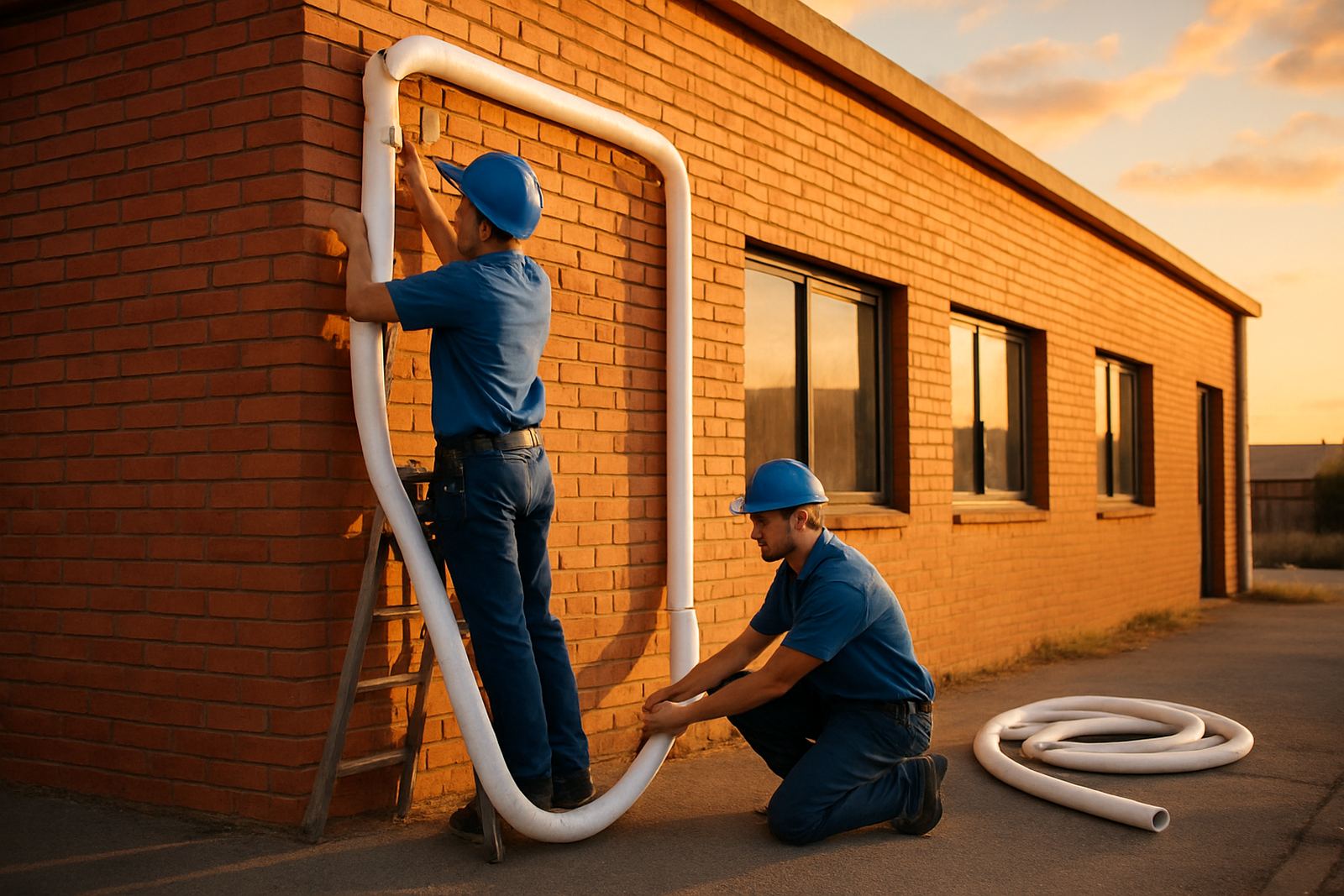
The property had a few limits we had to work around. Access to the original geyser position was tight, so removal had to be done in stages without damaging the surrounding ceiling finish. The hot water line route also needed checking because the house had been altered over time and the pipework did not follow a straight, easy path. We measured the installation point, reviewed fall and drainage, and confirmed where condensate could discharge without causing staining or pooling on the paving.
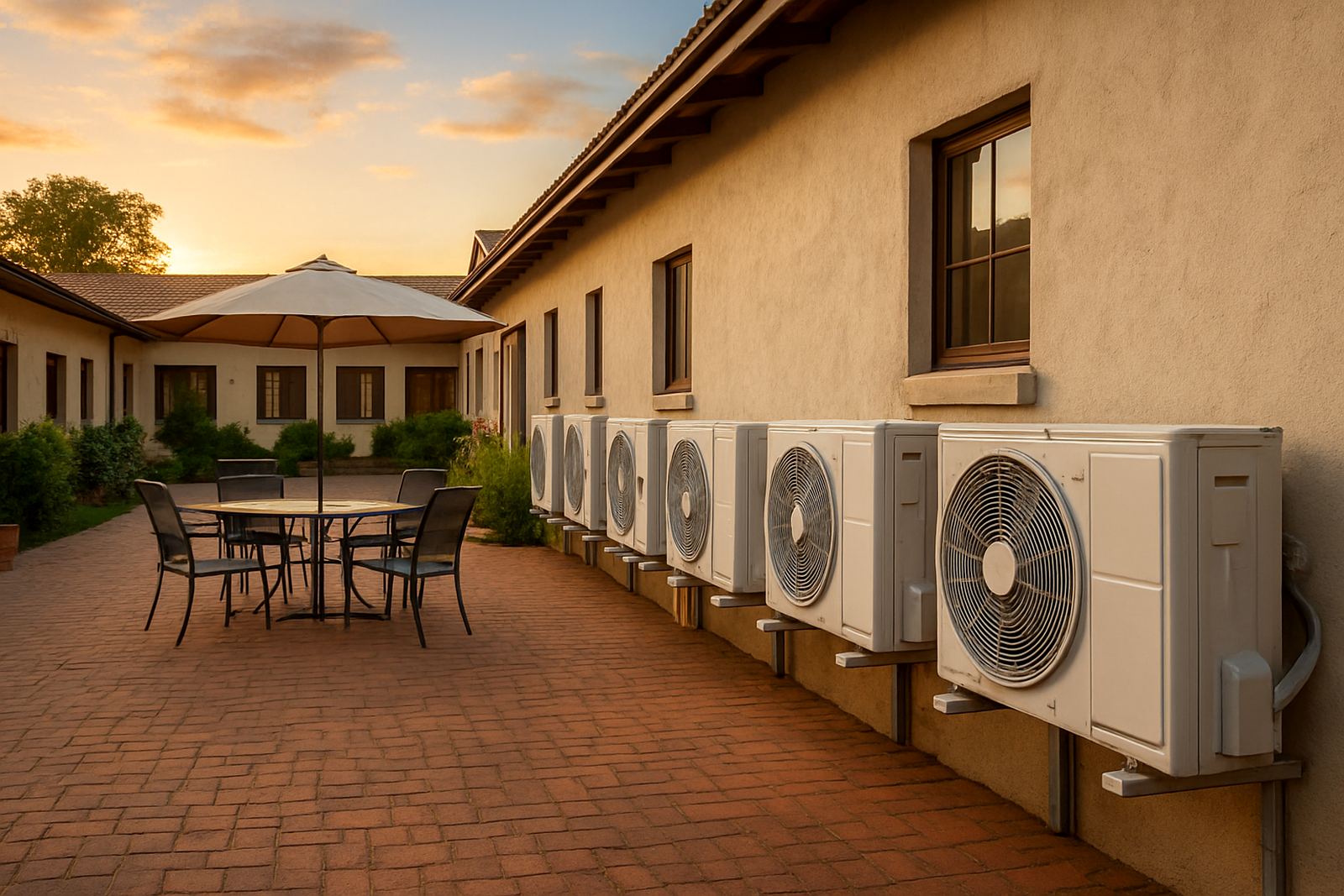
Because the home sits in a leafy part of Bryanston, we also had to keep noise and visible pipe runs under control. The family did not want a bulky unit sitting where it would be obvious from the entertainment area. That meant choosing a position with enough open air movement for the heat pump, while still keeping the install close enough to the existing geyser position to limit pipework changes. The team planned the work so the neighbours would not be bothered and the property stayed tidy through the job.
- Restricted side access and a fixed plant position
- Existing pipework needed rework rather than a straight swap
- Condensate drainage had to be directed cleanly to an approved point
- Noise and appearance mattered because the unit was near living areas
What we supplied and how the system was set up
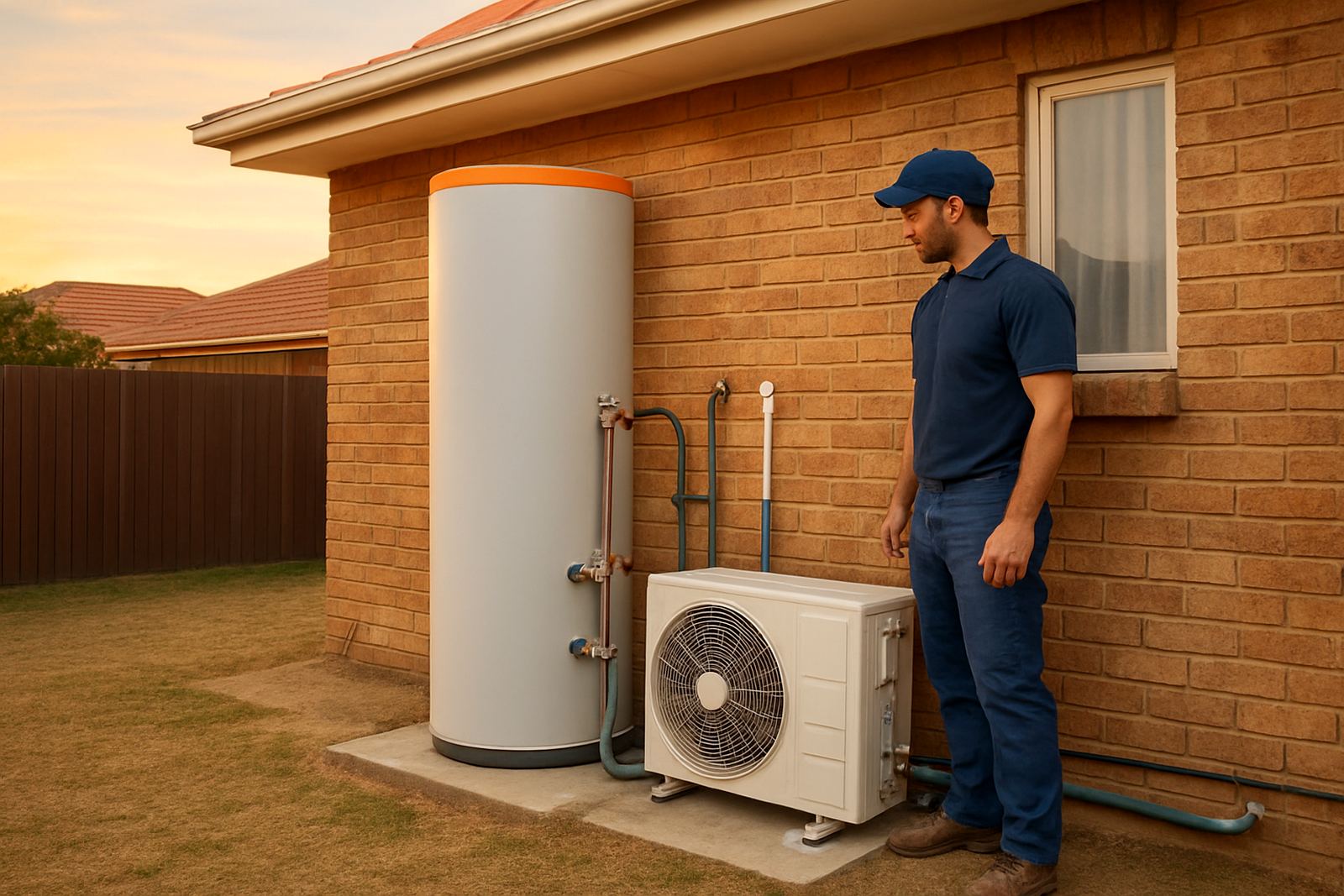
We supplied a domestic heat pump system sized for a family home with regular hot water demand. The replacement was selected for reliable year round operation, steady water temperature control, and lower electrical consumption than a standard resistance geyser. The installation included the heat pump unit, the required water connections, safety controls, and the tidy removal of the old electric hot water equipment. The setup was configured to suit the home's actual use pattern, not just the nameplate size of the old geyser.
Our team also checked the surrounding hot water hardware before commission. Where needed, we adjusted valves, confirmed pressure relief arrangement, and made sure the system could handle daily demand without nuisance trips or temperature swings. The idea was to leave the homeowners with a proper hot water solution, not something that looked installed but still felt makeshift.
- Domestic heat pump sized for family use
- Replacement of the existing electric hot water setup
- Connection to existing plumbing with localised pipe modifications
- Safety and pressure components checked at handover
- Clean finishing so the install blended in with the property
How the work ran over two weeks
The project ran over two weeks from site assessment to handover. In week one we completed the inspection, confirmed the unit position, and planned the removal and refit around the existing plumbing. We also checked electrical supply, access, and the best route for condensate and overflow management. Once those points were settled, the equipment was scheduled and the team prepared the installation materials.
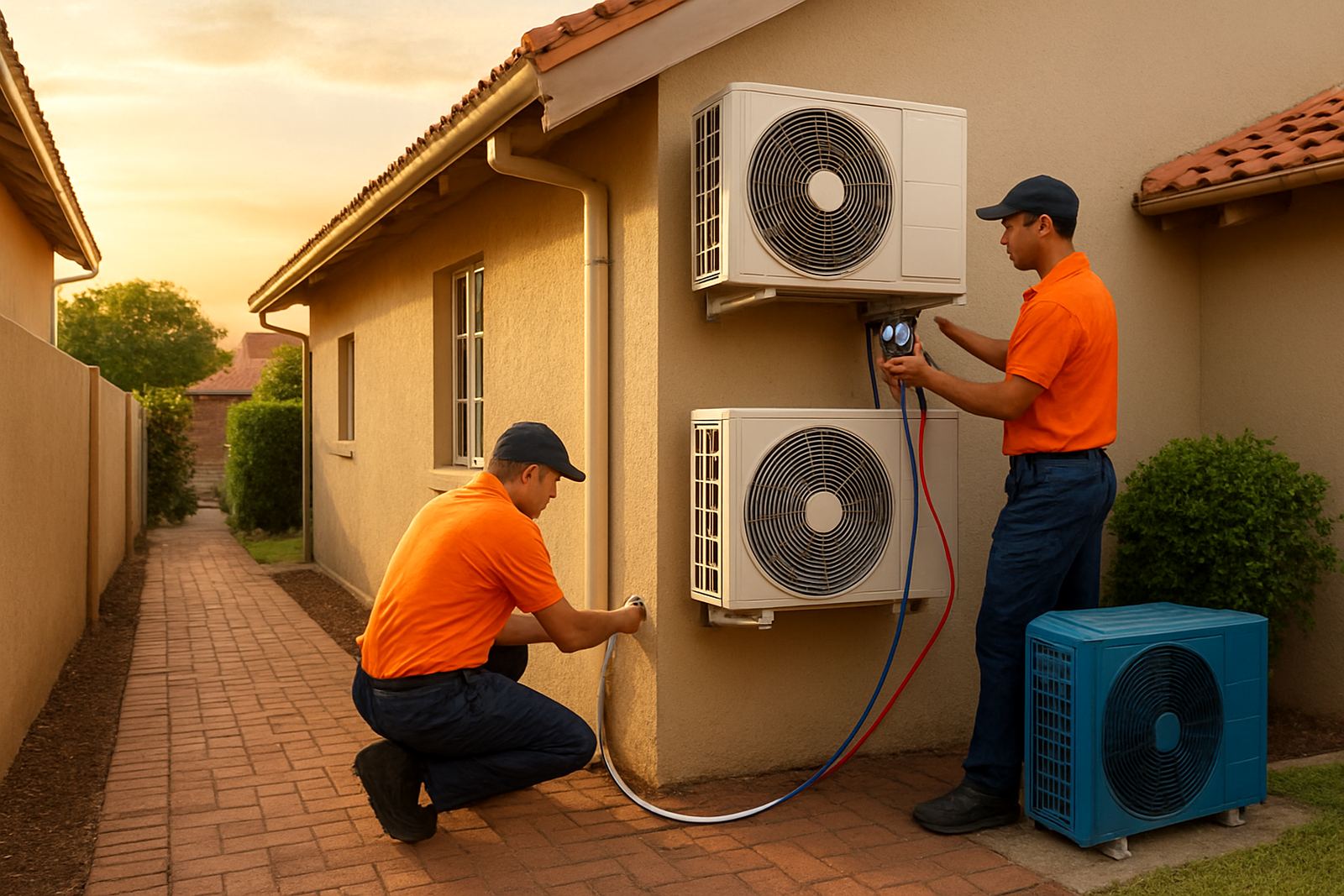
Week two covered removal of the old system, mounting and connecting the new heat pump, and final commissioning. The setup was tested under real operating conditions so we could check start-up, heating behaviour, and circulation. We stayed on site long enough to make sure the system settled properly and the family understood the daily settings. No rushed exit, and no leaving before the hot water was actually working the way it should.
The handover included a simple explanation of how to use the controls, what signs to watch for, and when to call for a service check. That matters because a heat pump should be looked after like a working household appliance, not ignored until something stops.
Results in day to day use
The biggest change was immediate. The homeowner moved from a conventional electric hot water setup to a more efficient system that uses far less direct electrical heating. That means less pressure on monthly electricity spend and better control during times when the house is already drawing power for cooking, lighting, and other appliances. For Bryanston households, where power costs keep climbing, that is often the real reason people make the switch.
They also gained a more dependable hot water supply for the whole family. Showers in the morning, washing up later in the day, and the usual weekend surge are all easier to manage when the system is sized and installed properly. The property now has a neater, more practical hot water arrangement that suits the home instead of fighting it.
- Lower running cost than the old electric hot water setup
- More stable hot water delivery for everyday household use
- Cleaner installation with less visual clutter outside the house
- Better fit for load-shedding aware households that want to manage power use
What we would repeat on the next similar home
If we were doing the same kind of job again in Bryanston, we would follow the same approach: proper site check first, correct sizing second, then a clean installation with enough time for commissioning. Domestic heat pump work looks straightforward from the outside, but the result depends on small details like access, water pressure, drainage, and where the unit sits relative to the home. Get those right and the system is easier to live with.
For homes in Johannesburg North, Sandton, Randburg, and Midrand, we would again recommend checking the hot water demand profile before replacing any old geyser. A family of four with school mornings does not need the same setup as a quieter home with lighter usage. Matching the system to the way the house actually works keeps the result practical and avoids unnecessary call backs.
This Bryanston project is a good example of a domestic upgrade done for function first. The house keeps its neat finish, the family gets reliable hot water, and the equipment now suits local power conditions far better than the old arrangement did.
Key facts
| Project type | Domestic heat pump replacement |
|---|---|
| Location | Bryanston, Johannesburg North |
| Client | Private home |
| Timeline | 2 weeks from site assessment to handover |
| System | Heat pump with integrated hot water connection set |
| Scope | Removal of old electric hot water setup, supply, installation, commissioning and handover |