What Different Aircon Noises Usually Mean
Start by listening closely to the type of noise. A rattling sound often means a loose cover, screw, pipe bracket, or panel. A buzzing noise can point to electrical parts, a contactor, or vibration from a badly mounted outdoor unit. Clicking when the unit starts and stops can be normal, but repeated clicking during operation needs checking.
Grinding, squealing, or scraping is more serious. Those sounds can come from a fan motor, worn bearing, or something touching the fan blade. If the noise began after a service, cleaning, or a recent power outage, that is a useful clue. In Gauteng, where many homes and offices run aircons for long hours during heat waves and load-shedding recovery, small faults show up fast.
- Rattle: loose casing, screws, drain tray, or pipework
- Buzz: electrical part, vibration, or compressor strain
- Whirr or whoosh: normal fan movement, if steady
- Grind or squeal: possible motor or fan problem
Indoor Unit Noise: Filters, Fans, and Loose Panels
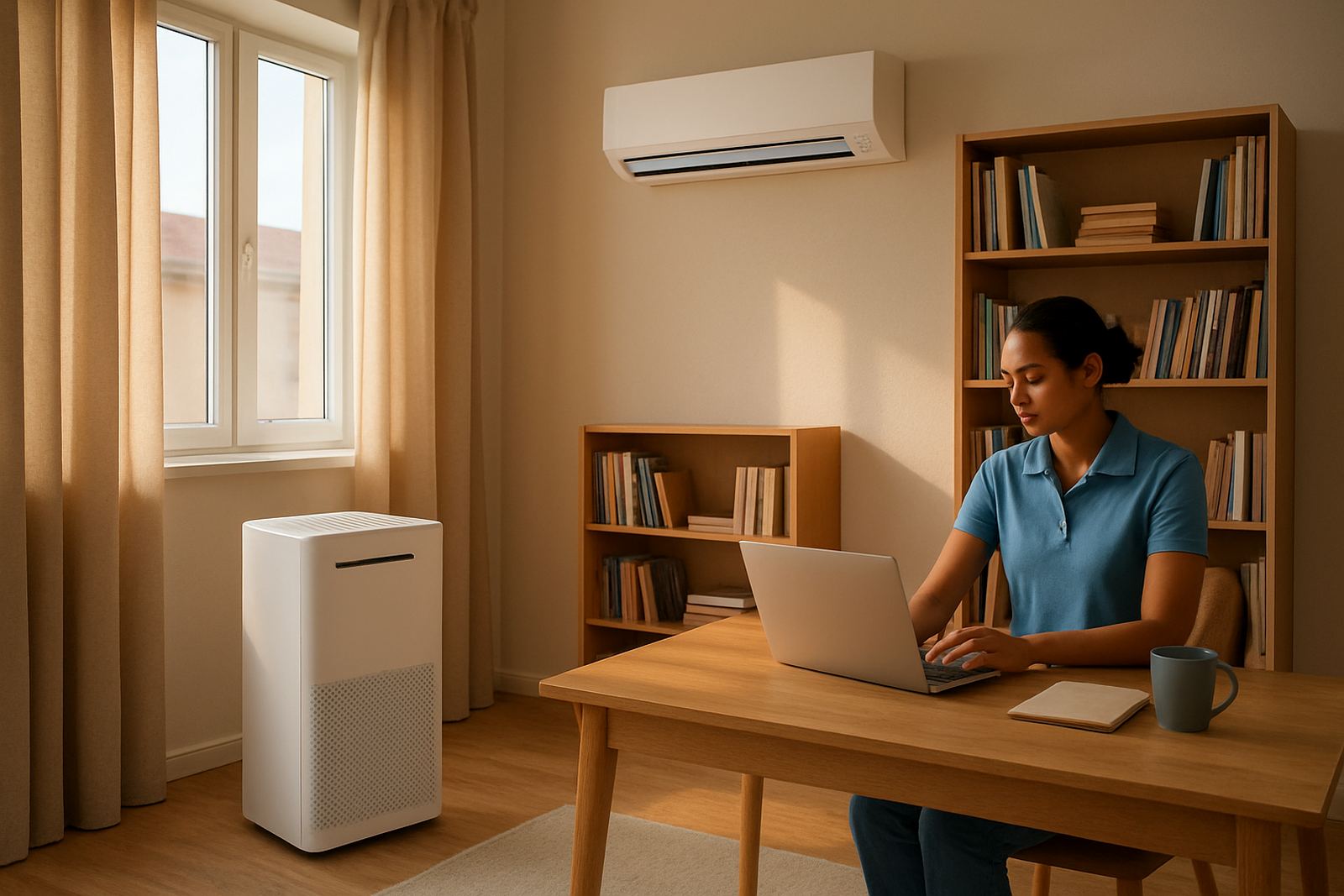
If the noise seems to come from inside the room, check the indoor unit first. A clogged filter makes the fan work harder and can create a rushing sound. Dust build-up on the fan wheel can also make the unit noisy and reduce airflow. In Randburg and Sandton offices, this often happens in rooms with open doors, constant foot traffic, and less regular servicing.
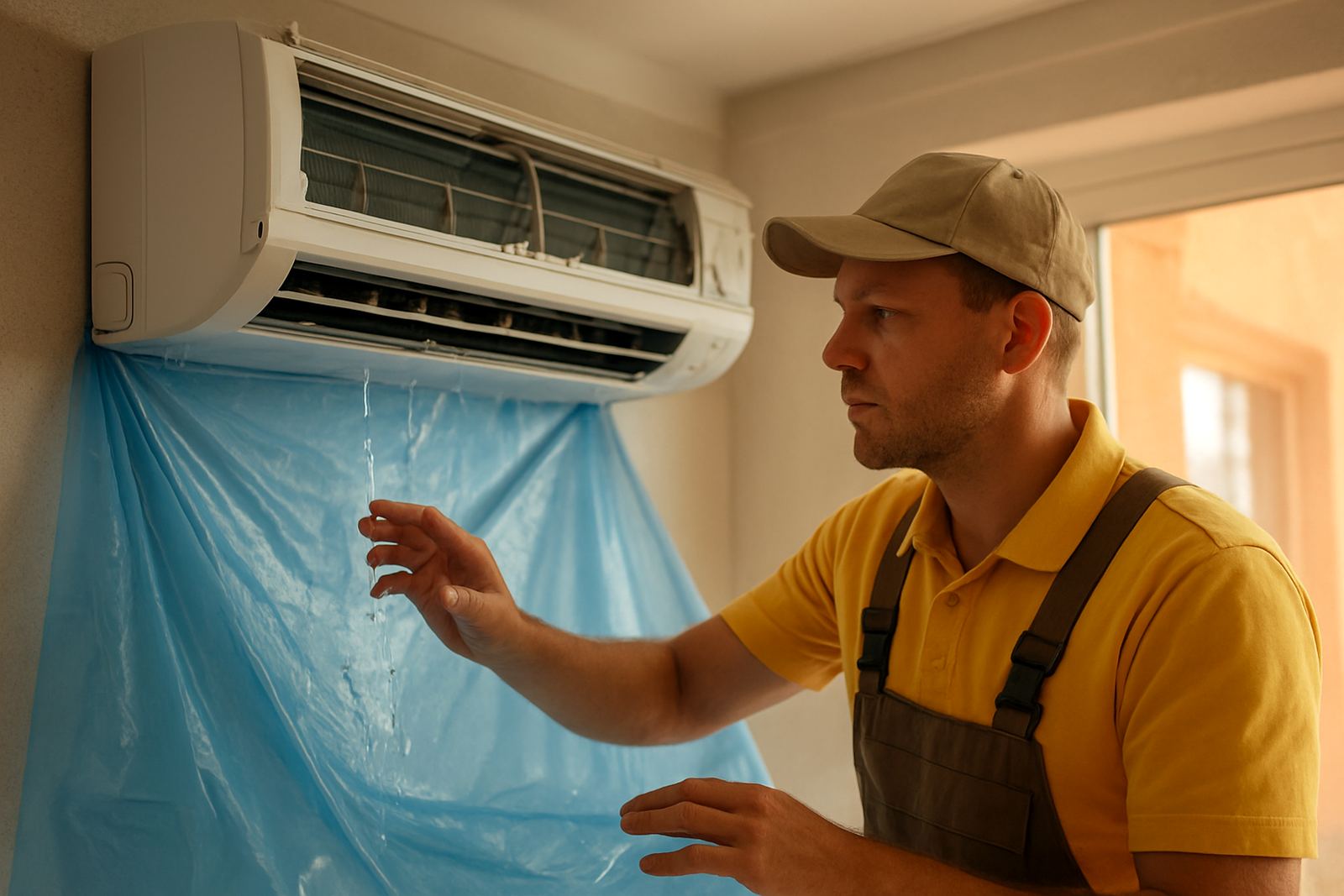
A loose front panel or filter cover can buzz when the unit is running. So can a drain pipe that is not clipped properly behind the wall. If the indoor unit sounds like it is vibrating against the wall, the mounting bracket may need tightening or repositioning. Sometimes the fix is simple, but do not force panels open if you are not sure how they clip together.
- Switch the unit off and clean the filters
- Check if the panel is fully closed
- Listen for vibration against the wall or ceiling
- Look for dripping or blocked drainage at the same time
Outdoor Unit Noise: Vibration, Debris, and Mounting Problems
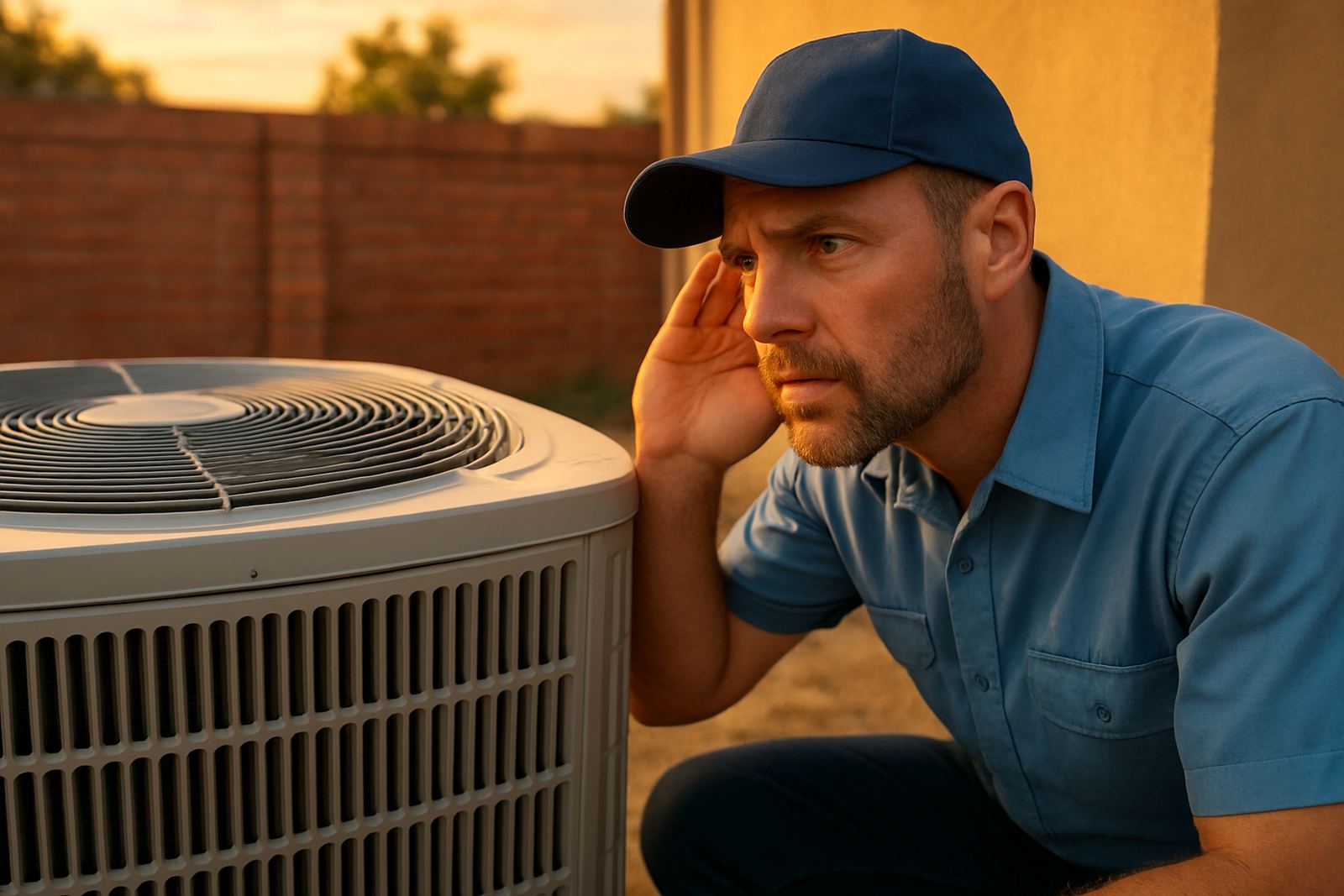
The outdoor unit is exposed to wind, dust, leaves, and often a hard surface that reflects sound. A low hum is normal, but a loud buzz, clatter, or banging means something is not right. On stand alone homes in Johannesburg North, outdoor units are often fitted on walls, slabs, or brackets, and any looseness can turn normal running into a noisy problem.
Check whether the outdoor unit is touching a wall, railing, or loose pipe. Even a small gap issue can cause a vibration that sounds much louder inside the house. Make sure there is no debris near the fan, and that the unit has enough clear space around it. If the unit sits on a bent bracket or uneven base, it can shake more than it should. Coastal humidity is not the only thing that causes trouble, Gauteng dust and heat do their part too.
- Clear leaves, plastic, and packing material around the unit
- Check that brackets and bolts are firm
- Make sure pipes are not knocking against the wall
- Listen for a fan blade hitting a guard or casing
Refrigerant, Gas Flow, and Compressor Stress
Some noises are linked to the cooling cycle itself. A hissing or gurgling sound can come from refrigerant moving through the system, and that may be normal in small amounts. But if the sound is new, loud, or paired with poor cooling, it may point to low gas, a restriction, or a compressor that is under stress. Do not assume more gas is always the answer, because overcharging can also create problems.
When the compressor starts making a hard buzz, then trips off, the unit may be struggling because of dirty coils, bad capacitors, unstable power, or incorrect installation. In offices around Midrand and the East Rand, long operating hours and voltage swings can make these issues show up more often than people expect. If the aircon cools badly and sounds rough, it needs a proper inspection rather than a quick guess.
A technician will usually check pressures, temperatures, electrical draw, and coil condition before deciding on the repair. That saves time and avoids repeat callouts.
Power Surges, Inverter Behaviour, and Load-Shedding Recovery
In Johannesburg and Gauteng, noisy aircons are sometimes linked to power events rather than the unit itself. After load-shedding, a surge, or a generator switchover, an inverter system may restart with a different sound pattern. Some units run a short self-check, then settle down. Others make clicking or humming if the supply is unstable or a protection circuit is activating.
If the noise started after power returned, check the basics before calling for a repair. Look at the isolator, confirm the breaker has not tripped, and make sure the unit is not repeatedly trying to restart. If you hear a strong electrical buzz or smell heat from the isolator, switch the system off. Repeated resets can damage the board and make the fault more expensive.
Homes and small offices that use solar aircons or backup supply should also check whether the system is getting the right voltage and enough current. A unit that is starved of power may run noisy, stop and start, or sound strained under load.
Installation Faults That Turn Into Noise Later
Some noise problems come from the original installation, even if the unit ran quietly at first. Pipes that were not secured properly can move when the compressor starts. A drain line that slopes badly can glug or whistle. Poor wall support can let the indoor unit resonate through hollow plasterboard or a light partition. These issues often become more obvious after the first summer or after a building settles.
In business premises, sound transfer matters as much as cooling. A split unit fitted above a meeting room or near an open-plan work area should be set up with the right clearances and anti-vibration support. When it is not, staff hear it every hour. If the noise is tied to the way the unit sits, servicing alone may not solve it.
- Check whether the outdoor unit is level
- Ask if the pipe run is clipped properly
- Confirm the drain line is flowing freely
- Review whether the unit size matches the room
What To Check First Before You Call For Help
Before booking a callout, do a quick check with the unit switched off. Clean the filters, make sure nothing is blocking the indoor airflow, and inspect the outdoor unit for leaves, packaging, or loose material. Then switch the aircon on and listen from a short distance. If the sound is still there, stand near the indoor unit, then the outdoor unit, to identify where it is strongest.
If the noise is sharp, metallic, or electrical, turn the system off and leave it off until it has been inspected. If cooling has dropped at the same time, the fault is usually not just a minor vibration. For homes in Sandton, offices in Randburg, and shops in the West Rand, early attention helps avoid downtime in peak heat. A proper check can save the compressor, the board, and your electricity bill.
If you want the sound traced properly, get a technician to inspect the mounting, fan, electrical parts, gas circuit, and drainage as one job. That way you deal with the cause, not only the noise.