Why allergies often feel worse indoors
Many people expect allergies to be worse outside, yet homes and offices can trap the very things that set off sneezing, itchy eyes and blocked noses. Dust from streets and yards, pollen that comes in on clothes and shoes, and mould spores from damp corners all sit in the air or settle on surfaces. Once the windows stay closed for heat, rain or load shedding, that build-up can become more noticeable.
An air-conditioner does not cure allergies, but it can play a useful part in managing indoor air quality. It helps move air through a filter, lowers humidity where needed, and gives you more control over the indoor environment than a fan or open window. The catch is simple: if the unit is dirty, blocked or leaking, it can make the air worse instead of better.
What a clean aircon can actually do
A good split or inverter aircon can help reduce the amount of dust and debris circulating in a room, especially when the correct filter is fitted and cleaned on time. That is useful in bedrooms, open-plan living rooms and small offices where people spend long hours indoors. Lower humidity also helps in damp areas, because mould tends to grow faster when moisture hangs around.
For many households in Sandton, Randburg and Midrand, the issue is not the machine itself but how it is used. A unit that runs day after day with a clogged filter starts pushing air through a smaller opening, which means less airflow and more strain on the system. In practical terms, you get less comfort and more dust in the room, even if the aircon is switched on.
- Cleaner filters can trap more dust before it blows back into the room.
- Regular servicing helps keep indoor airflow steady in bedrooms and offices.
- Drying out excess moisture can help limit mould growth around ceilings and walls.
- Better temperature control can reduce the need to open windows during peak pollen periods.
The parts that matter most for allergy control
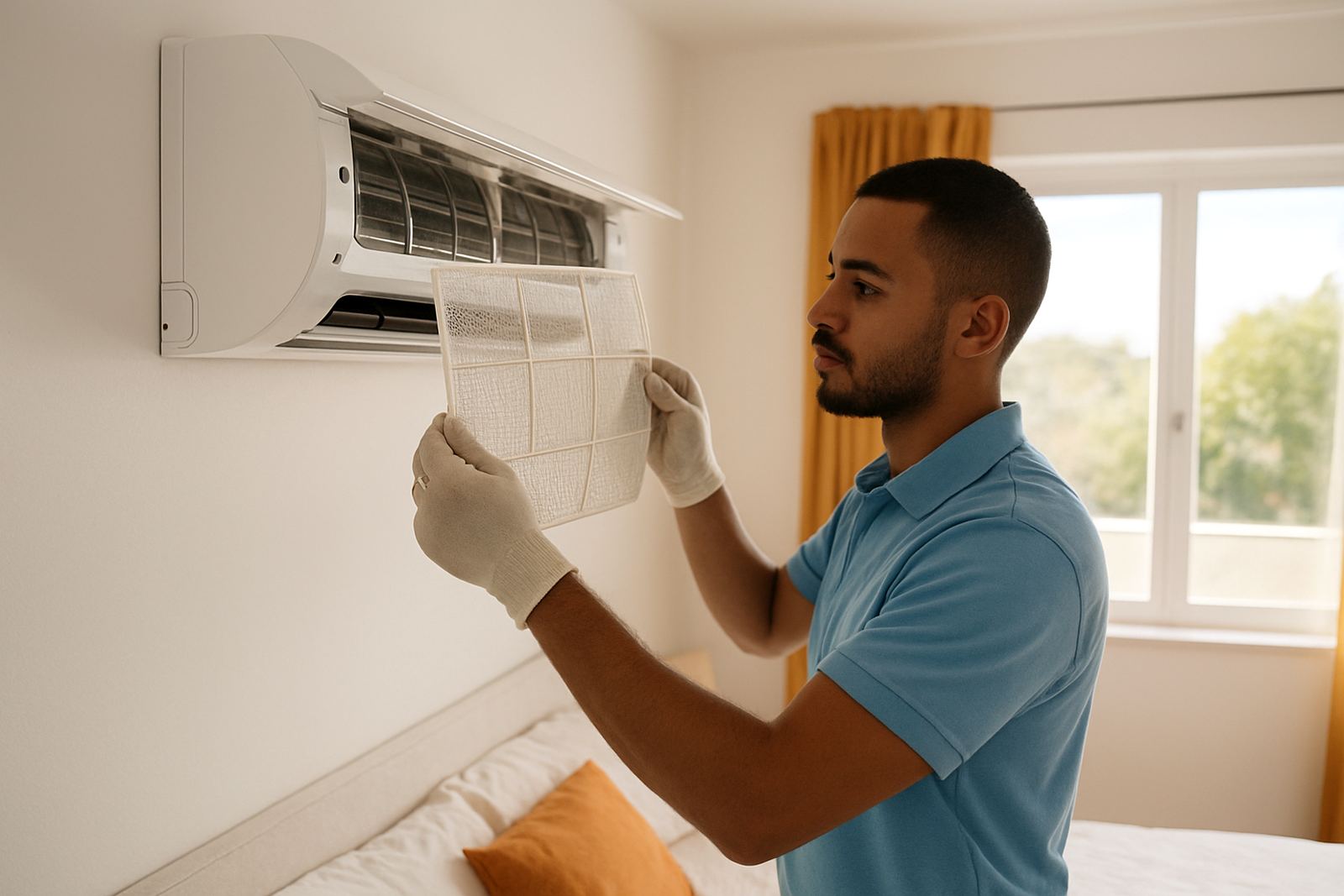
Not every part of an aircon gets the same attention, but a few areas make the biggest difference to indoor air. The filters are the first line of defence, and they should be cleaned or replaced according to the room use and the amount of dust in the area. In a busy office or a home near a main road, that may need to happen more often than people expect.
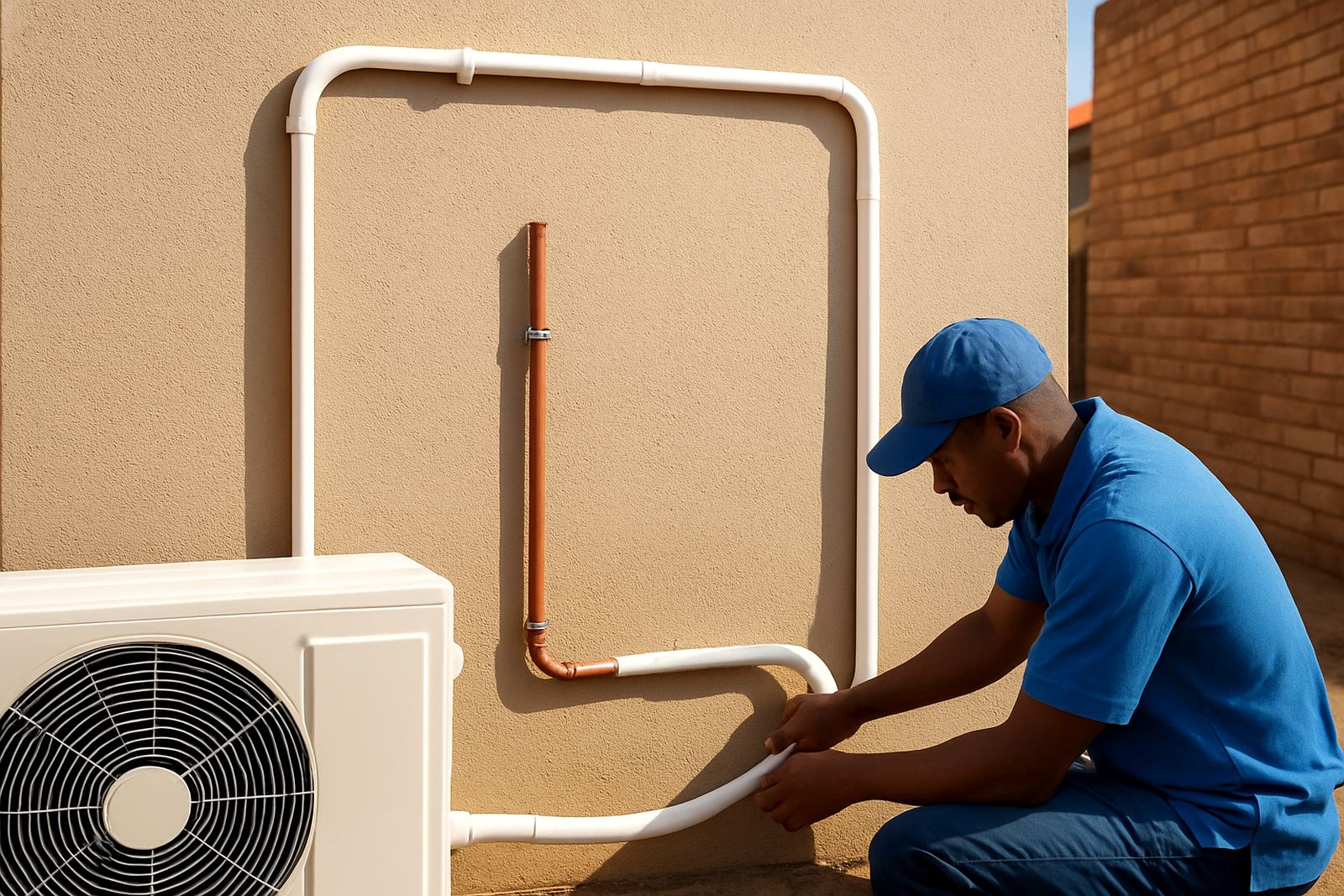
The indoor coil and drain tray also need care. If dust and moisture sit there too long, they can create a musty smell and allow mould to start forming. The drain line must be clear so condensed water does not back up into the unit. On the outdoor side, leaves, lint and general dirt can restrict airflow and make the system work harder, which affects performance and can lead to poor cooling. A little slip in maintenance can become a bigger issue before long, especially in summer.
- Wash or change filters on schedule, not only when the unit seems weak.
- Check that the drain is flowing freely, especially after heavy rain.
- Keep the indoor unit clear of curtains, shelves and dust piles.
- Have the system inspected if you notice odours, dripping or weak airflow.
A Johannesburg example: when dust and winter dryness meet
Think of a family in Johannesburg North living close to a busy road. In winter, the air is dry, windows stay shut, and dust from outside settles fast on bedside tables and window sills. Two children have allergies, and every morning starts with coughing and blocked noses. The parents first blame the weather, but the real issue is the mix of dust build-up, a neglected filter and poor indoor ventilation.
After a service, the filters are cleaned, the indoor unit is washed properly and the drain line is cleared. The room still needs normal cleaning, but the air feels lighter and the unit no longer smells stale. That does not mean the allergies disappear overnight, yet the indoor environment becomes easier to live with. For many Gauteng homes, that kind of practical change makes more difference than people realise.
Simple habits that help at home and in the office
There are a few everyday habits that support cleaner indoor air without making life complicated. Start with regular vacuuming, especially in bedrooms and carpeted areas. Use a damp cloth for dusting so particles are removed instead of moved around. If someone in the household has strong pollen allergies, keep shoes at the door and limit open windows during windy afternoons.
In offices, the same logic applies but with more people and more traffic. Meeting rooms, reception areas and shared workspaces need planned maintenance because more bodies mean more dust, more fibres and more air movement. If the system serves several rooms, one neglected unit can affect the entire floor. That is why maintenance plans are worth considering for commercial properties.
- Book servicing before summer, not after the unit has already struggled for weeks.
- Vacuum filters and nearby vents more often in dusty suburbs.
- Fix leaks, damp patches and blocked gutters before mould starts indoors.
- Use the right temperature setting so the system is not cycling on and off too often.
When to call for supply, fit or servicing
If an older aircon is noisy, smells damp or keeps pushing dust back into the room, it may need more than a quick clean. Sometimes the best answer is a service, other times a replacement or a better sized unit for the room. For allergy-sensitive spaces, correct installation matters as much as the model itself. A badly placed indoor unit can blow air straight across beds, seating areas or workstations, which is uncomfortable and not ideal for people with respiratory issues.
In Johannesburg, Sandton, Randburg, Midrand, the East Rand and West Rand, proper fitting should also take local conditions into account. That includes summer heat, winter dryness, building layout and power interruptions. For homes and offices, the goal is not fancy features, it is dependable cooling and cleaner indoor air that holds up through normal daily use. If the system is set up well and kept clean, it is far easier to manage allergies indoors.