What a 300L heat pump does in a busy home
A 300L heat pump heats a large storage tank by moving heat from the air into the water, instead of making heat from scratch like a normal electric element. That keeps running costs lower and takes pressure off the geyser during busy times such as school mornings, late showers after sport, or full occupancy in a guest house. For families in Johannesburg North, Sandton, Randburg and Midrand, it is a sensible way to keep hot water available without relying on a high electricity draw all day.
This size is chosen when more than one bathroom is in regular use or when the property has heavy hot water needs from laundry, cleaning or back-to-back guests. It is also useful where load-shedding has made electric geyser planning more important. The heat pump can recover water temperature more efficiently than a standard geyser element, so you get better use from the same tank volume.
In simple terms, it is not just about holding 300L. It is about heating that volume in a way that works better for bigger households, and it can be a cleaner fit than oversizing an electric geyser system.
Sizes, controls and common options
On this page, 300L refers to the storage capacity of the tank paired with the heat pump unit. The unit may be supplied as a packaged domestic system or specified as part of a replacement where an existing geyser layout already exists. In some homes the installation includes a timer, thermostat settings, and a bypass or backup heating element for added flexibility on very cold mornings.
- 300L storage tank for higher daily hot water use
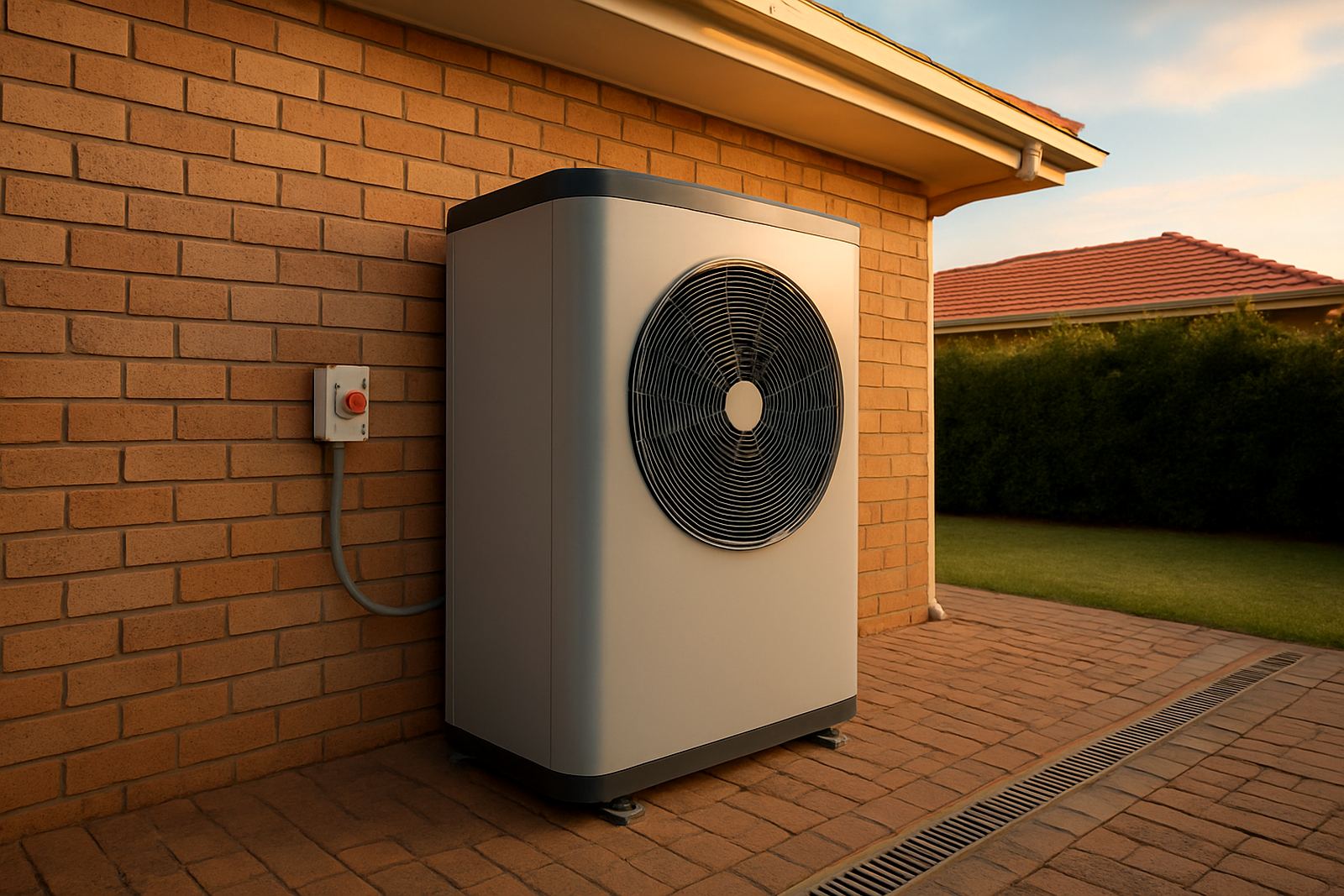
- External heat pump unit with fan-coil heat exchange
- Digital temperature control on most installations
- Optional electric backup element for peak demand
- Indoor or outdoor mounting depending on space
- Suitable for roof, wall or ground mounting where practical
For coastal humidity, dusty yards and tight plant areas, the final specification needs to take the site into account. A unit installed in a sheltered service yard in Sandton may need a different arrangement from one on a windy Randburg property or a commercial kitchen in the East Rand. We check access, drainage and clear airflow before installation so the system can work properly from day one.
Where a 300L heat pump works best
This larger domestic size suits homes with three or more bathrooms, guest houses, small lodges, executive rentals and office kitchens with a regular hot water load. It is a good fit where several showers may run in the same hour, or where hot water use continues through the day instead of dropping after one morning peak. If your property has staff accommodation, a flatlet or a pool house, the 300L option can also make better sense than fitting two smaller systems.
It is worth considering the surrounding conditions too. In Gauteng, dry winter air and warm summer conditions are generally favourable for heat pump operation. In homes near busy roads or in tighter estates with municipal or body corporate rules, placement needs a bit of thought so that noise, airflow and servicing access all stay within what is allowed. We handle this as part of the site survey.
- Ideal for larger families with frequent shower use
- Useful for guest houses and short-stay accommodation
- Works well for office kitchens and staff facilities
- Suitable for replacement of ageing high-capacity geysers
- Can help reduce dependence on direct electric heating
Installation, power supply and backup needs
Installing a 300L heat pump is not a simple plug-in job. The tank, heat pump unit, plumbing layout, overflow route and electrical supply all need to be checked before work starts. Our team in Johannesburg North handles supply-and-fit for homes and offices across Gauteng, including Midrand, the West Rand and the East Rand, and we look at the full system rather than only the equipment.
The electrical side usually needs a dedicated circuit, correct isolator, and protection matched to the unit rating. Some properties also need load-shedding planning, especially where hot water is expected at specific times. A battery backup or solar-assisted arrangement can be discussed where the site and budget allow, but the main point is that the heat pump must have the right power supply and safe wiring. If water pressure is high or the tank must feed several outlets at once, the plumbing needs proper valves and pressure control too.
In some cases a small amount of extra work is needed to move existing pipes or improve the location. That is normal. A good install should allow easy access for future servicing, with enough room for air flow around the unit and enough clearance for maintenance on the valves and controls.
How to care for the unit and keep it performing
A heat pump needs regular care if you want steady water temperature and fewer call-outs. Dust build-up, blocked air paths, loose fittings and incorrect thermostat settings can all affect performance. In areas with fine dust or tree fluff, the outdoor section may need more frequent cleaning than a system tucked under a covered area. On coastal jobs the service interval can also be shorter because salt in the air is harder on metal parts, even if the unit is inland some of the time.
We recommend checking the system at least once a year, and sooner if the water is taking longer to heat or the unit is cycling on and off more often than usual. A proper service may include checking the fan, controls, safety valves, pipe insulation and drainage. If there is a backup element, that should be tested as well so it is ready for colder weather or peak demand days. Small issues are cheaper to sort early rather than after the tank starts running lukewarm.
- Keep the air intake and outlet clear
- Watch for dripping, noise or slow heating
- Test the backup element if fitted
- Book yearly servicing at minimum
- Replace worn valves, seals and insulation promptly
What to check before you order
Before ordering, measure the available space for both the tank and the heat pump unit. Check whether the unit will sit outside, in a service courtyard or in a plant room, and confirm that there is enough airflow around it. You should also know how many bathrooms, showers and hot water points are in daily use. That helps us decide whether 300L is the right size or whether your usage patterns call for a different layout.
It also helps to confirm your current electrical supply, whether there is existing solar support, and if the property has any site rules that affect positioning or pipe runs. For estates and sectional title units, noise and visible equipment can matter. For guest houses and offices, hot water demand during business hours is often the deciding factor. If your current geyser has failed, send us the model size, installation photos if you have them, and the suburb so we can advise on replacement options quickly.
For accurate pricing and fitment advice, our sales team can check the details and schedule a site visit where needed. A careful match now saves time later, and avoids the common mistake of fitting a unit that is too small for the actual demand.
Key facts
| Tank size | 300L storage capacity |
|---|---|
| Typical use | Large domestic homes, guest houses, offices |
| Installation type | Supply-and-fit, replacement or new install |
| Power requirement | Dedicated electrical circuit with isolator |
| Heating method | Air-source heat pump with backup element option |
| Service area | Johannesburg and Gauteng |