What this condensate pump kit does in a real install
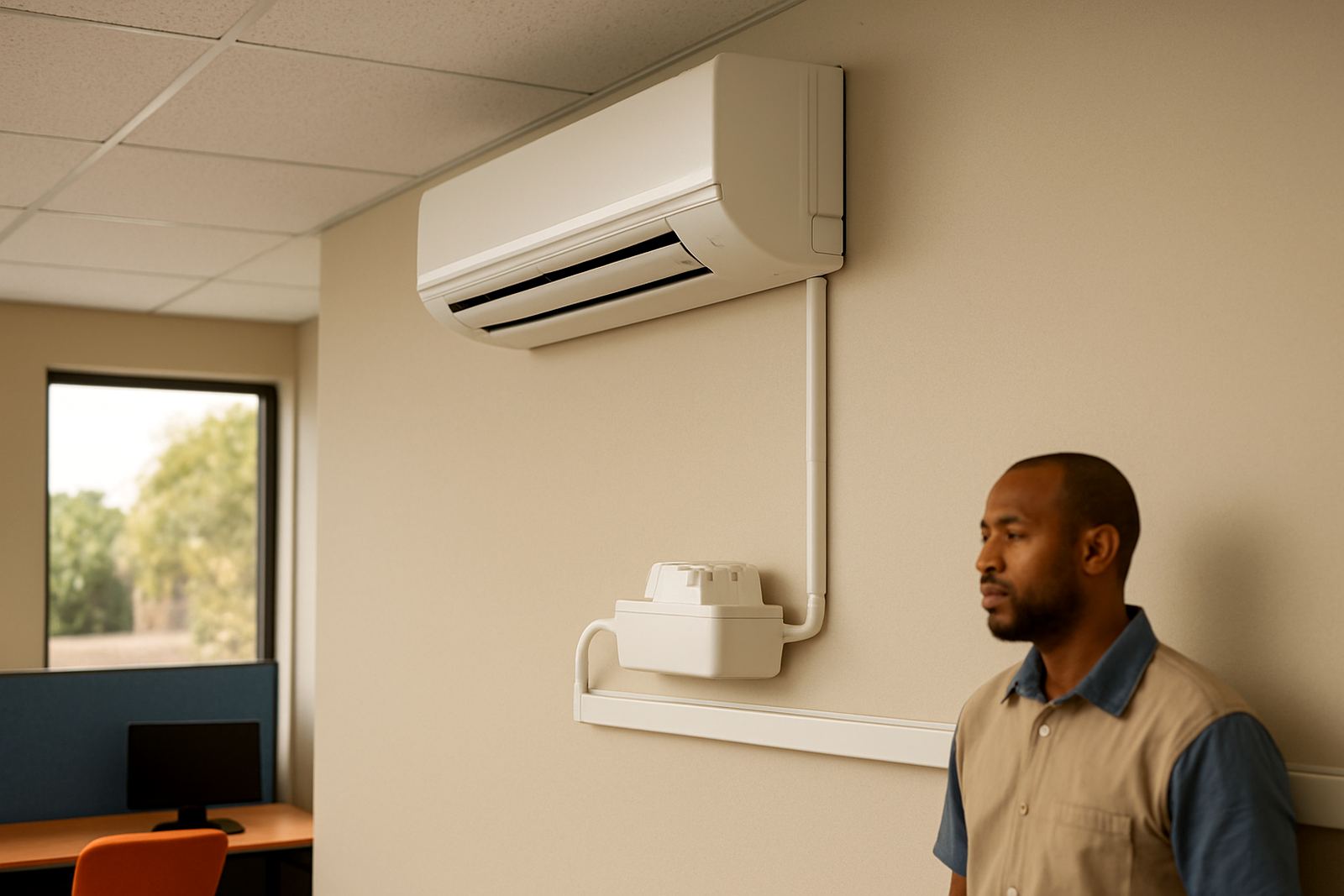
An indoor air-conditioner pulls moisture from warm air, and that water must go somewhere. When the drain line cannot fall steadily to a suitable outlet, a condensate pump kit collects the water in a small reservoir and lifts it to a drain point, sink waste, stormwater point or approved discharge line. That makes it useful in offices, flats, shops and home additions where the unit position is fixed and natural fall is not possible.
The pump is usually mounted close to the indoor unit or in the ceiling space, then linked with a small drain tube and a pumped discharge line. It is a practical fix for many Johannesburg and Gauteng installs where ceilings, bulkheads and existing finishes make new gravity drainage awkward. It is not fancy, just the right answer when the water has to travel uphill a short distance.
- For split, inverter and some concealed indoor units
- Helps prevent dripping, staining and ceiling damage
- Useful on retrofits where the drain route is limited
- Can be fitted with a safety cut-out or float switch
Size options and kit layouts we supply
Condensate pump kits are normally selected by the amount of water the air-conditioner produces and the lift height required. Small wall-mounted units in bedrooms or small offices may only need a compact pump, while larger systems, server rooms or busy retail spaces may need a higher-flow unit with a bigger reservoir. We can match the kit to the indoor unit size and the actual route the drain has to take.
Common options include a slimline pump, a reservoir type with float control, or a kit supplied with mounting hardware, flexible tubing and connectors. For higher lifts, longer discharge runs or more demanding commercial applications, we check the maximum head and the discharge diameter before recommending a unit. A kit that is too small will cycle too often and wear out faster, so sizing matters.
- Compact pumps for single rooms and smaller split units
- Reservoir-style kits for steady drainage and easy float control
- Higher-lift kits for ceiling voids and long discharge routes
- Accessory packs may include hose, clamps, brackets and non-return parts
Where it suits best in homes and offices
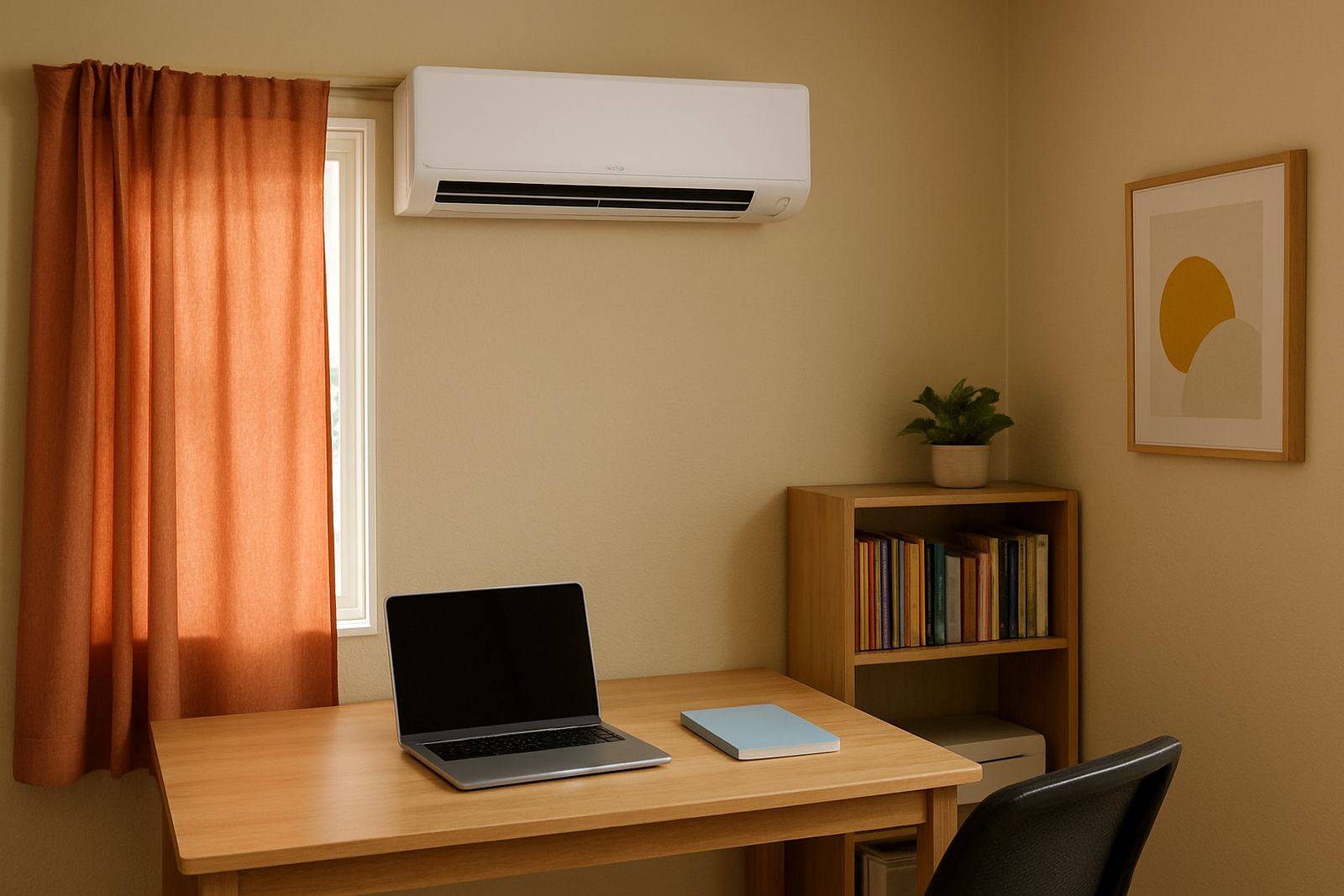
This product suits any installation where the indoor unit cannot drain down by gravity to an outside point. In homes, that often includes spare rooms, converted garages, upstairs bedrooms and enclosed verandas. In offices, it is common in boardrooms, reception areas, server rooms and tenant spaces inside multi-storey buildings.
It is also helpful in coastal or high-humidity areas where aircons run for long periods and produce more condensate, and in load-shedding recovery where the unit may cycle on and off more often. If you are working in Sandton, Randburg, Midrand, the East Rand or the West Rand, it is worth checking the drain route before the final unit position is fixed. A poor drain plan can create a mess later, especially where ceilings are already closed up.
- Homes with no direct wall exit for the drain pipe
- Offices with ceiling voids and hidden pipe runs
- Sites where the drain must rise before it can fall
- Rooms with finished ceilings that cannot be opened easily later
Installation points and power requirements
The pump must be fitted level, secure and accessible for future service. It is usually connected to the indoor unit drain outlet, then wired or plugged according to the kit type and the unit layout. Some kits use a dedicated power supply from the air-conditioner circuit, while others have a separate low-current feed. The installer should always confirm the electrical load, the switching arrangement and whether the safety shut-down will stop the aircon if the pump fails.
No gas connection is needed for the pump itself. The refrigerant circuit stays inside the air-conditioner system, while the pump handles water only. What matters is a neat drain route, safe electrical routing and enough space for the pump housing. If the kit is being added to an existing unit, the installer should also check whether the indoor casing and pipe cover allow proper access without fouling the fan or the service panel.
- Confirm voltage and control method before fitting
- Keep the discharge line clear of kinks and low spots
- Add a service access point where practical
- Use a proper condensate trap if the application needs one
Care, servicing and signs the pump needs attention
Condensate pumps work hard in summer and in humid weather, so a little maintenance goes a long way. The reservoir should be cleaned when the air-conditioner is serviced, and the float mechanism should be checked for free movement. Dust, algae and fine debris can build up in the tank or discharge line, especially on sites near roads, construction or coastal air. A blocked pump line can cause water overflow very quickly.
Warning signs include a gurgling sound, repeated start-stop cycling, a high water alarm, slow pumping or moisture around the indoor unit. If the aircon trips or stops and the pump seems to be running, the fault may still be a blocked line or a float issue. Do not ignore small leaks, they often become ceiling stains or damaged plaster before long. A quick service is usually cheaper than patch repairs.
- Clean the reservoir and float during regular aircon servicing
- Check the discharge line for scale, slime and kinks
- Test the safety switch on a planned maintenance visit
- Replace worn tubing or valves before they fail
What to check before you place an order
Before ordering, measure the lift height from the pump to the final drain point and estimate the length of the discharge run. Check the indoor unit type, the available space around the casing and whether there is an existing drain pipe that can be reused. If the install is in a ceiling, make sure there is enough access for future cleaning because hidden pumps can be difficult to reach later.
It also helps to know the site use. A small home bedroom has very different drainage needs from a busy commercial office that runs all day. Tell us the unit size, the location, and whether the installation is new or a replacement. If you are unsure, send the model details and a few site notes to sales@acsuperstore.co.za and we can help match the right kit. That saves time and avoids the wrong pump being fitted first time around.
- Lift height in metres and approximate discharge length
- Indoor unit size and mounting position
- Whether the drain point is inside or outside
- Need for alarm contact or safety shut-down
Key facts
| Product type | Condensate pump kit for indoor air-conditioner drainage |
|---|---|
| Typical use | Where gravity condensate fall is not possible |
| Compatible systems | Split and inverter indoor units, subject to layout |
| Pump function | Collects and lifts condensate to a suitable drain point |
| Power | Kit dependent, confirm voltage and control method before order |
| Installation | Indoor fitment with discharge line, safety switch and service access |