What the 18000 BTU solar hybrid unit does
This size is made for spaces that carry more heat, more people, or longer daytime use. In practical terms, 18000 BTU suits a bigger lounge, open-plan living area, small office, or a reception space where doors open and close through the day. It is not a small room unit, so you get better results when the space is sized correctly and the insulation is reasonable.
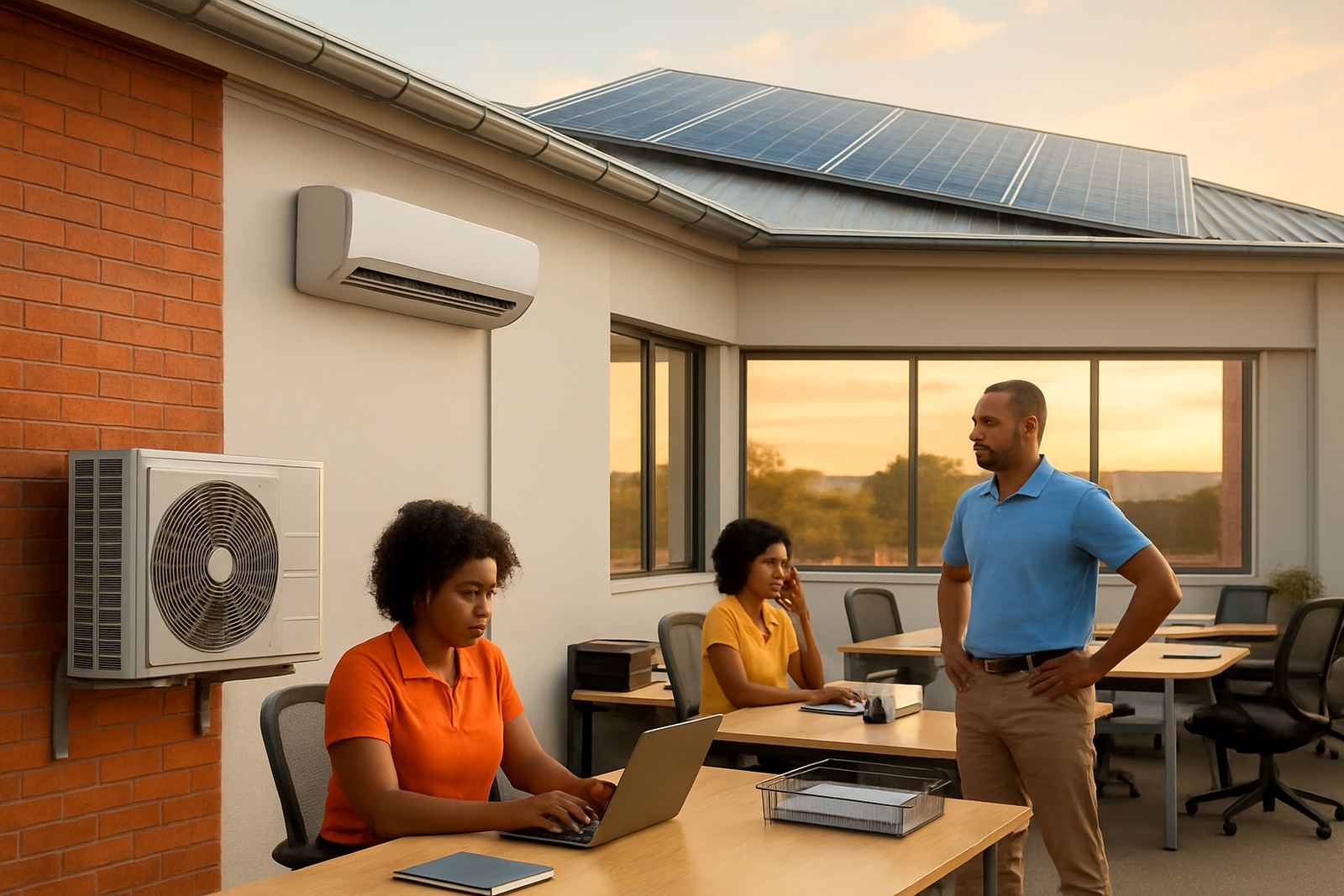
A solar hybrid unit uses electricity from the grid and can make use of solar input when there is sun available. That helps in Gauteng where daytime cooling is needed most. On bright days it can reduce how hard the mains supply works, and during load-shedding or voltage dips the backup arrangement matters more than with a standard unit. For many homes in Sandton, Randburg and Midrand, that balance is the main reason to choose this type.
It is still an air-conditioner first, so it needs proper refrigerant piping, correct drainage, and sound electrical work. If the unit is undersized or badly placed, it will run too long and still leave the room warm. If it is oversised, you can get short cycling and poor humidity control.
Sizes, formats and what is included
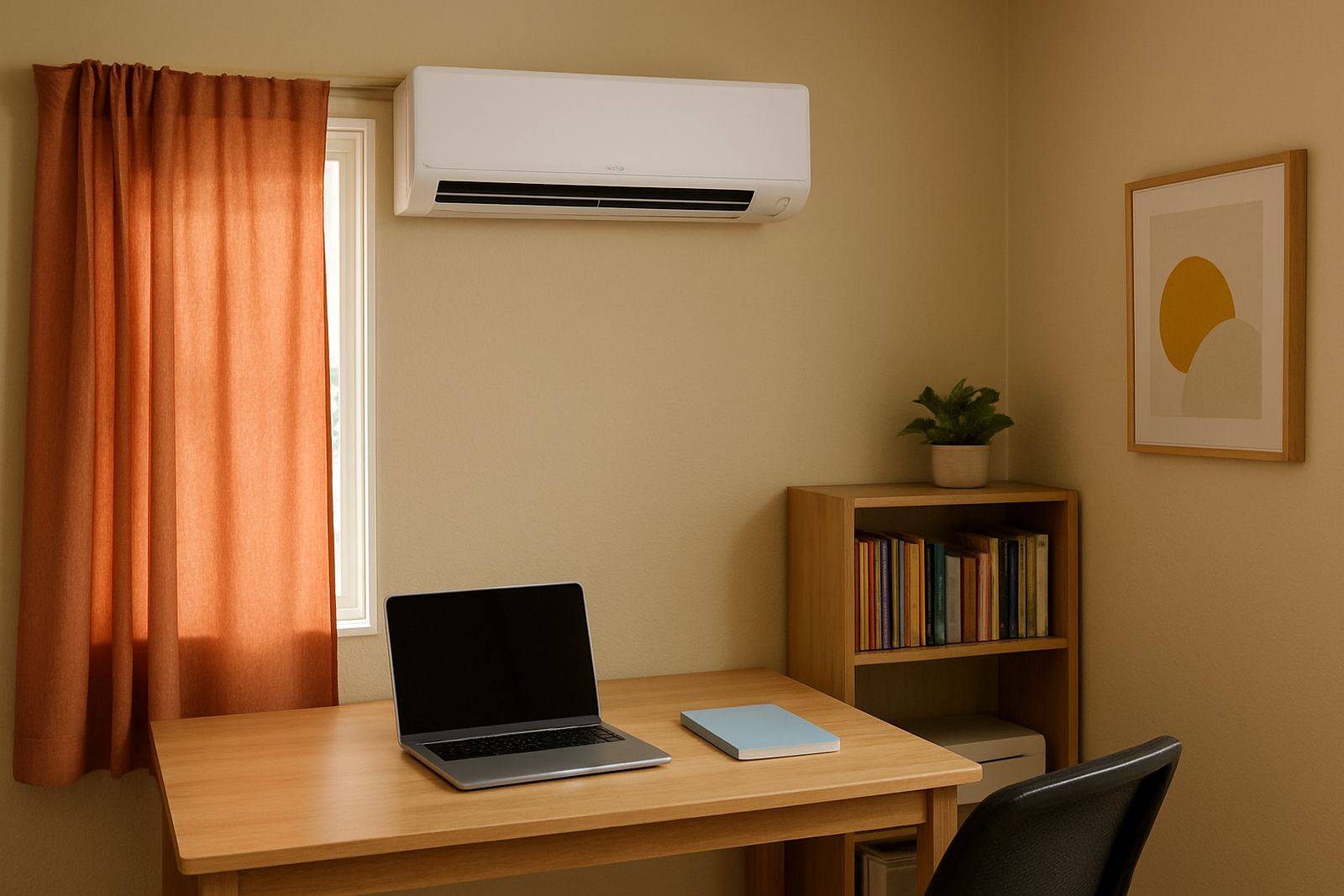
At this capacity, the unit is usually supplied as an indoor and outdoor set, with controls for temperature, fan speed and mode selection. Some versions are suited to wall mounting, while others may work better in a more specific application depending on the room and the available wall space. The right format depends on the room layout, pipe route and where the outdoor unit can be fixed safely.
- Nominal cooling capacity: 18000 BTU, for medium to larger rooms
- Common room size guide: about 28 to 40 m², depending on heat gain and ceiling height
- Power supply: usually single phase 220 to 240 V, confirm on the selected model
- Solar hybrid input: solar support for daytime operation where the system is installed for it
- Controls: wall controller or remote control, depending on the model
- Refrigerant circuit: factory sealed system that must be handled by a qualified installer
Where possible, we help match the unit to the space before anything is ordered. A 18000 BTU set that suits a north-facing family room in Johannesburg may not be the same choice for a shaded boardroom in Randburg. The sun, glazing and roof heat all change the load.
Where this capacity works best
This product works well in homes and offices that need cooling for several hours in the day. It is especially useful where the room is used by more than a few people, or where appliances, computers and sunlight add extra heat. In places like Bryanston, Fourways, Fourways Gardens and the East Rand, we often see this size chosen for large living rooms, upstairs family areas, and home offices that also serve as meeting rooms.
It is also a strong option for:
- Open-plan lounge and dining areas
- Small consulting rooms and private offices
- Reception spaces with regular visitor traffic
- Garden rooms or enclosed patios with good sealing
- Bedrooms that are unusually large or very sun exposed
For coastal or humid conditions this unit can still work, but the installation must allow for good airflow around the outdoor unit and proper corrosion awareness. Inland Gauteng heat is different to Durban humidity, and the fit-out needs to suit the site. A clean layout and enough service access make a big difference later on.
Installation, electrical supply and solar setup
A solar hybrid aircon is not a plug-in appliance. It needs a proper installation, with the indoor and outdoor sections mounted correctly, the pipework insulated, and the condensate drain run with the right fall. The outdoor unit must be placed where it gets enough air and where service access is possible. On a townhouse or business premises, that also means checking body corporate rules or municipal limits before the work starts.
The electrical side matters just as much. The installer must confirm whether the site has enough capacity on the circuit, whether a dedicated breaker is needed, and whether the solar support is being connected as designed. Some sites in Johannesburg North have neat electrical rooms, while older properties may need a little more planning. We check the load, the route and the mounting points before we proceed.
What we normally look at on site:
- Available wall space and pipe route
- Outdoor unit position and noise considerations
- Electrical supply, breaker size and cable run
- Drainage route for condensate water
- Shade, sun exposure and wind around the outdoor unit
- Access for future servicing and cleaning
If the location is wrong, the unit can struggle even if the equipment is good. A tidy installation is what keeps the system reliable through summer, and it saves call-outs later.
Care, servicing and day to day use
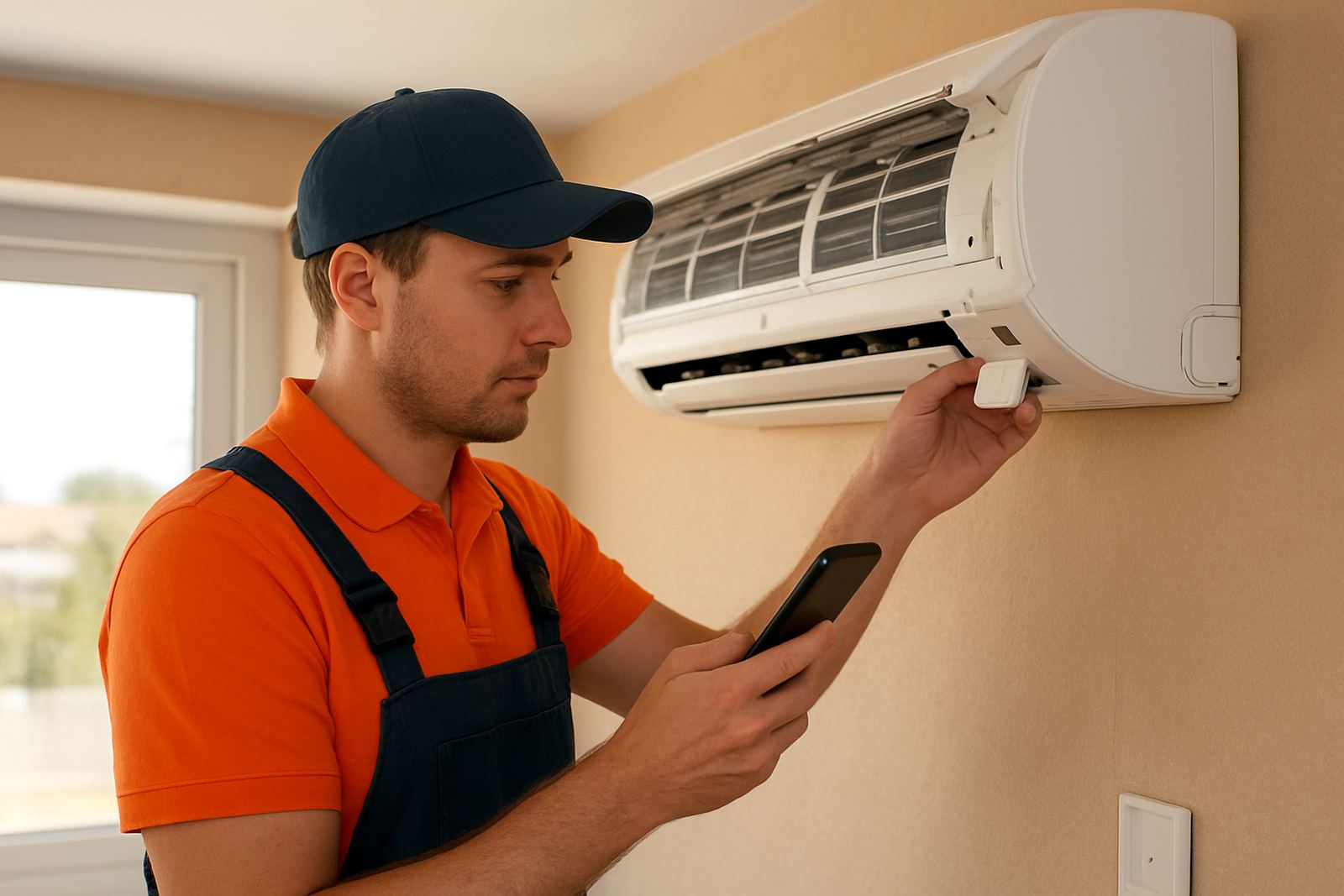
Like any air-conditioning system, this one performs best when the filters are kept clean and the outdoor unit is not blocked by dust or leaves. In Gauteng, dust from roads and dry wind can build up faster than people expect. If the filters are left too long, airflow drops and the unit uses more power to do the same job.
Simple care steps help a lot:
- Wash or clean filters on a regular basis
- Keep the outdoor unit clear of boxes, plants and lint
- Check that the drain line is not dripping inside the room
- Book a service before summer if the unit is used heavily
- Listen for unusual rattles, weak cooling or ice on the pipes
For business sites, a maintenance plan is often worth it because the room must stay comfortable during trading hours. For homes, an annual service is usually enough unless the unit runs most of the day. If the air smells stale or the cooling drops off, it is better to get it checked early rather than wait for a complete breakdown.
What to confirm before you order
Before ordering an 18000 BTU solar hybrid unit, it helps to measure the room properly and look at the way the space is used. Size alone does not tell the full story. A sunny north-facing room with big windows may need more support than a shaded room of the same metres. High ceilings, open doorways and heat from ovens or office equipment also change the choice.
Important points to confirm:
- Room length, width and ceiling height
- How many people are usually in the space
- Window size, sun exposure and insulation
- Where the outdoor unit can be mounted
- Whether the site has suitable power supply
- Any body corporate or building approval required
If you are replacing an old unit, check the pipe size, mounting points and breaker arrangement first. If you are fitting into a new room, it is worth planning the route before ceilings are closed. That saves time and avoids ugly surface runs later. For supply and fit in Johannesburg, Sandton, Midrand, Randburg, the East Rand and the West Rand, we can help match the unit to the site and keep the job practical from the start.
Key facts
| Cooling capacity | 18 000 BTU |
|---|---|
| Typical room size | 28 to 40 m², subject to heat load |
| Power supply | Usually 220 to 240 V single phase, model dependent |
| System type | Solar hybrid split air-conditioner |
| Best use | Larger family rooms, offices and daytime occupied spaces |
| Service options | Supply and fit, replacement, relocation, servicing and repairs |