Start With the Shop Layout, Not Just Square Metres
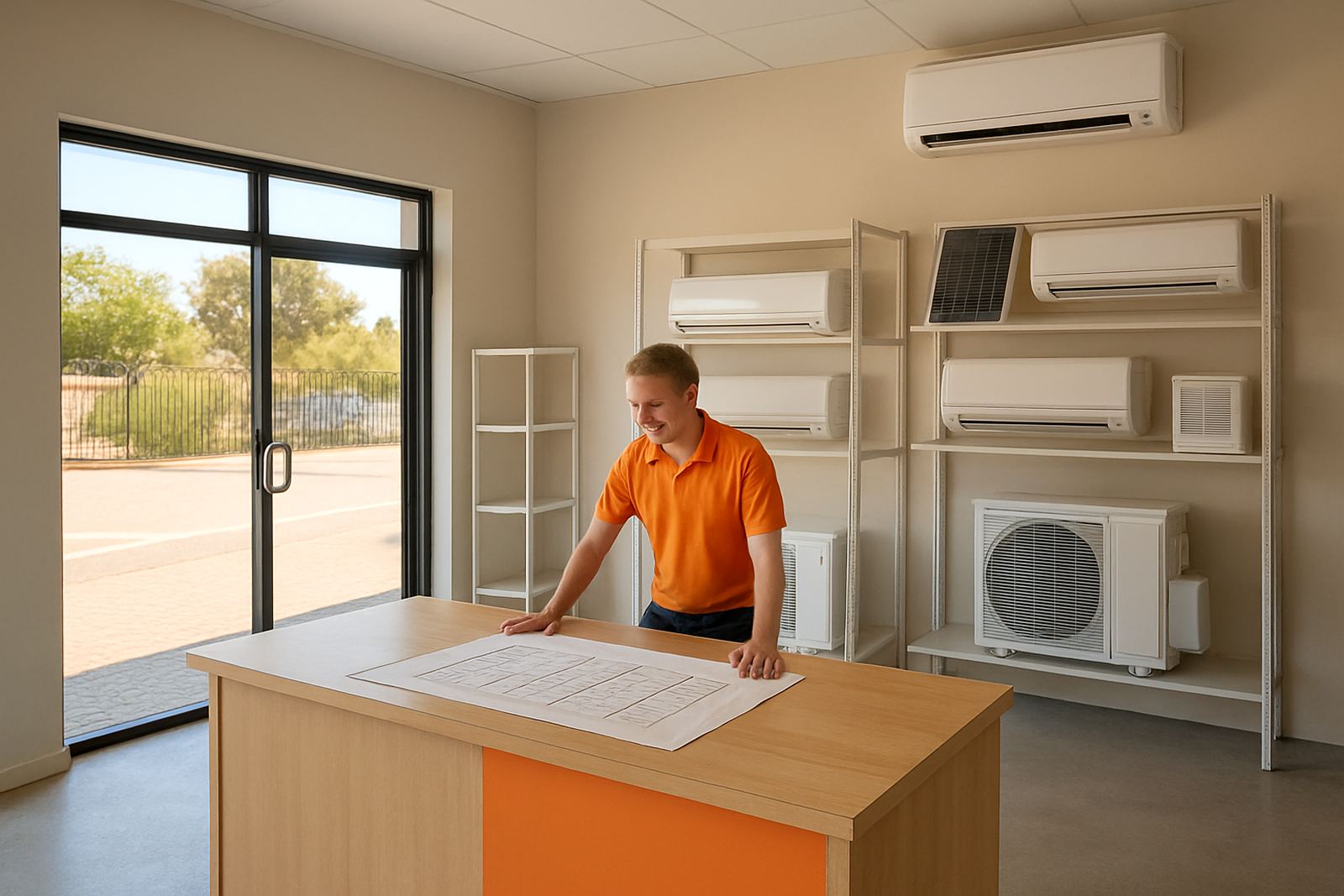
A small showroom with a glass frontage can need more cooling than a bigger back office because heat comes in through the windows, the door opening and the lights above the counter. For shops in Sandton, Randburg, Midrand and the Johannesburg CBD, we look at the whole customer area, not only the quoted floor size.
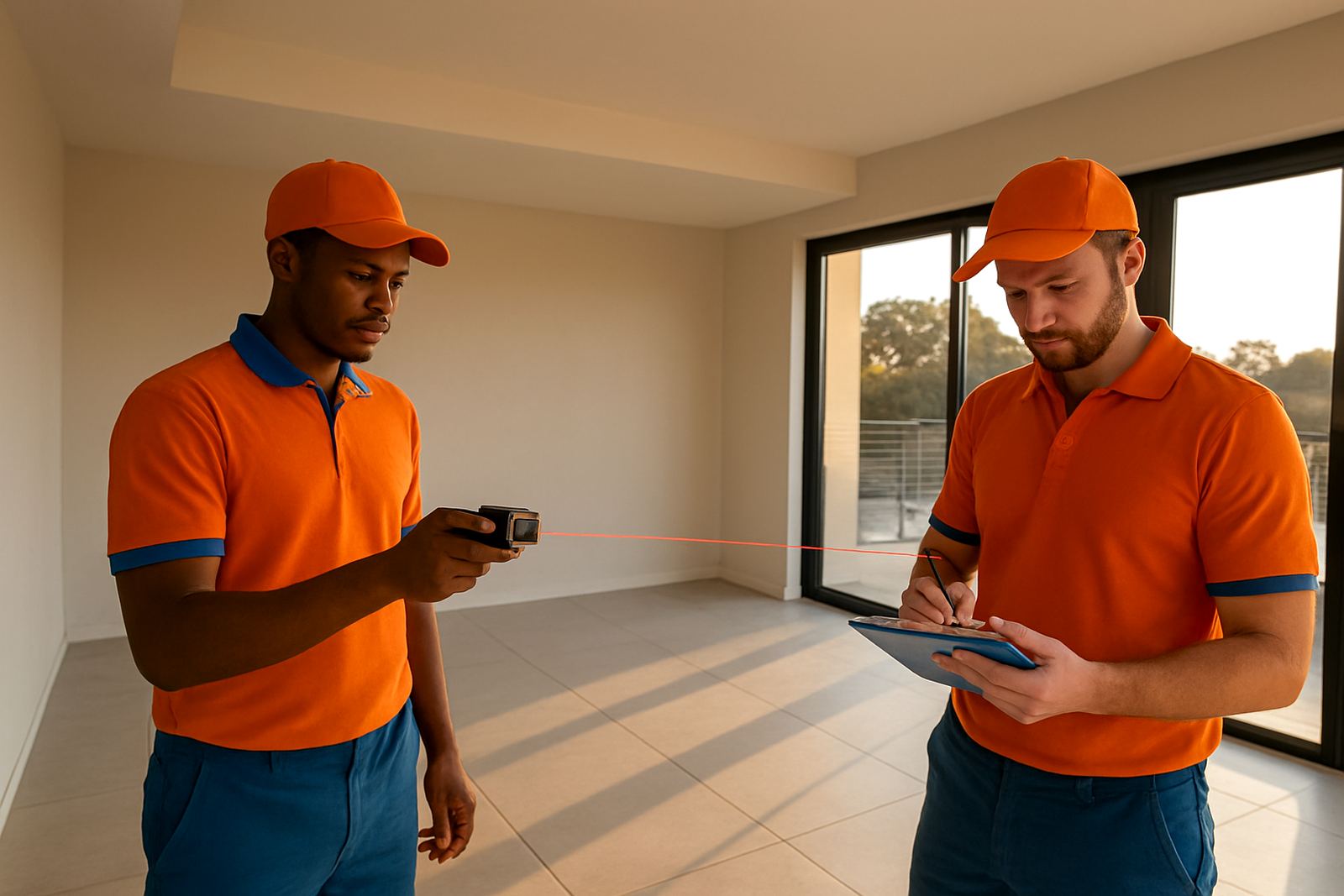
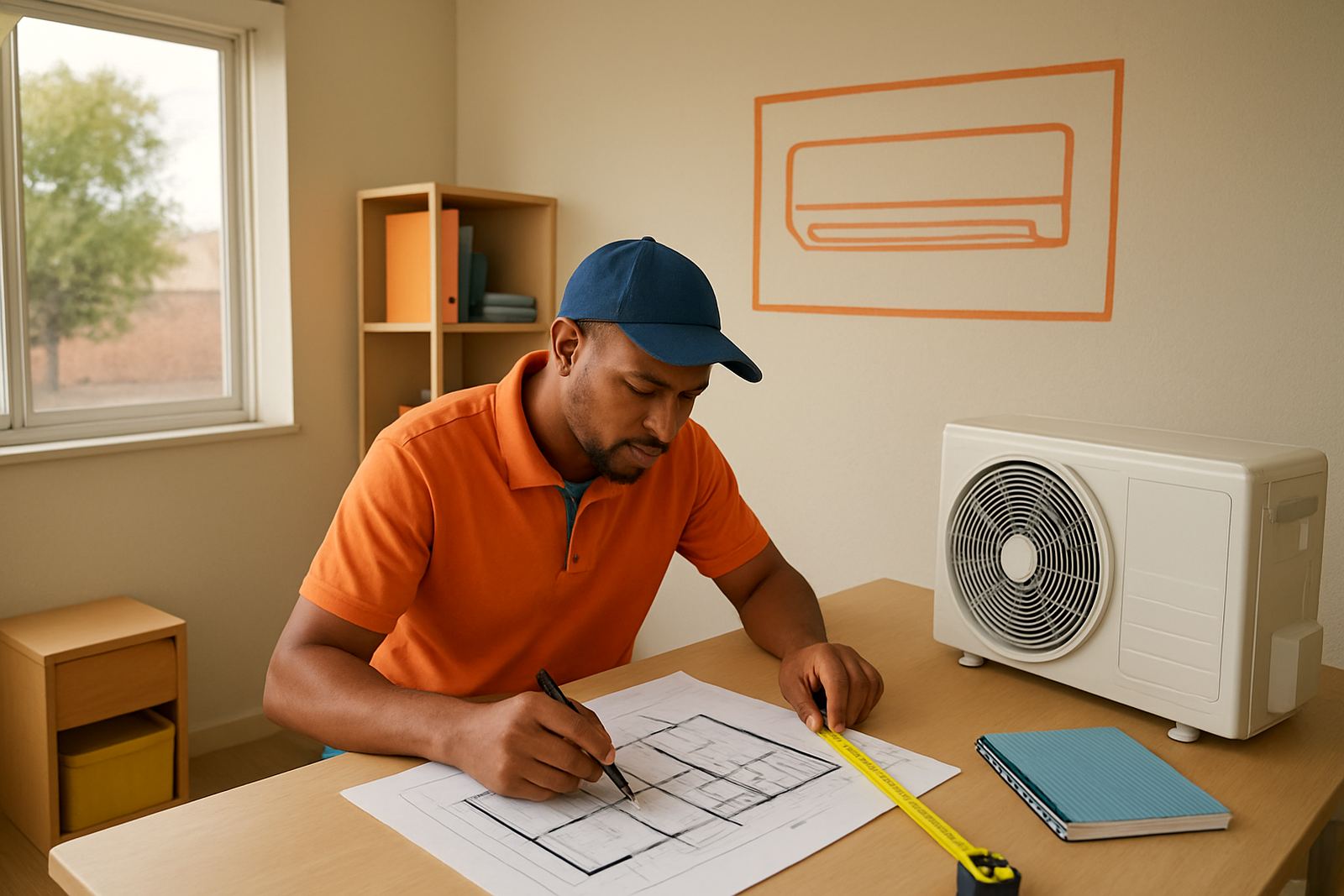
Measure the length and width of the main trading area, then note the ceiling height. A room with a 3.2 m ceiling holds more warm air than one with a standard ceiling, so the cooling size changes. If the shop has a storeroom, server nook, kitchenette or a separate manager’s office, list those too. Each space may need its own unit or at least its own air path.
As a quick first step, count how many people are usually inside at peak time. A small cell phone shop with 4 staff and 6 customers has a very different load to a clothing store with a steady flow of people in and out. That traffic matters just as much as the size on paper.
Check the Main Heat Sources Before You Choose a Unit
Retail heat comes from more than sunshine. Display lighting, fridges, till points, computer screens and open doors all add up. In Gauteng, where summer afternoons can run hot and load-shedding can interrupt normal trading, the cooler must cope with both outside heat and internal heat from equipment.
Walk through the shop at midday and again after 4 pm if you can. That tells you where the hot spots are. South-facing shops may still get warm because of glass and reflected heat from paving, while north-facing shops often need stronger cooling across the front half of the store.
- Glass doors or a large shopfront
- Ceiling lights that stay on all day
- Open-plan tills or workstations
- Fridges, printers and payment equipment
- Frequent door opening from customers or deliveries
- Heat from adjacent kitchens, stock rooms or back offices
If you already run fans to push cool air around, that is often a sign the current aircon is undersized or badly placed.
A Simple Sizing Check for Small, Medium and Busy Shops
For many shops, the right unit size is not a guess. It comes from room volume, sunlight and how busy the space gets. A small boutique or service counter may do well with one correctly placed inverter split unit, while a larger retail floor may need more than one unit to spread the cooling evenly.
As a rough retail check, use the following starting point and then adjust upward if the shop has strong sun, lots of glass or heavy customer traffic:
- Small shop or kiosk up to about 25 m2: usually around 18 000 BTU to 24 000 BTU
- Medium shop around 25 m2 to 50 m2: often 24 000 BTU to 36 000 BTU
- Busy retail floor above 50 m2: often 36 000 BTU or more, sometimes split across two units
These figures are only a starting guide. A takeaway outlet in Roodepoort with a hot prep area may need more cooling than a calm boutique of the same size. A shop with doors opening every minute will also need a stronger system than one with controlled entry.
We also look at whether the unit will run most of the day or only during trading hours. For longer operating times, an inverter aircon usually makes better sense because it holds temperature more steadily and can use less power than an old fixed-speed unit.
Frontage Doors, Windows and Customer Flow Matter More Than People Think
Every time a customer opens the door, warm air moves in. If the shop has a wide entrance, a sliding door, or a door that stays open for deliveries, the cooling load goes up. This is common in convenience stores, pharmacies and showrooms along busy streets in Johannesburg North and the East Rand.
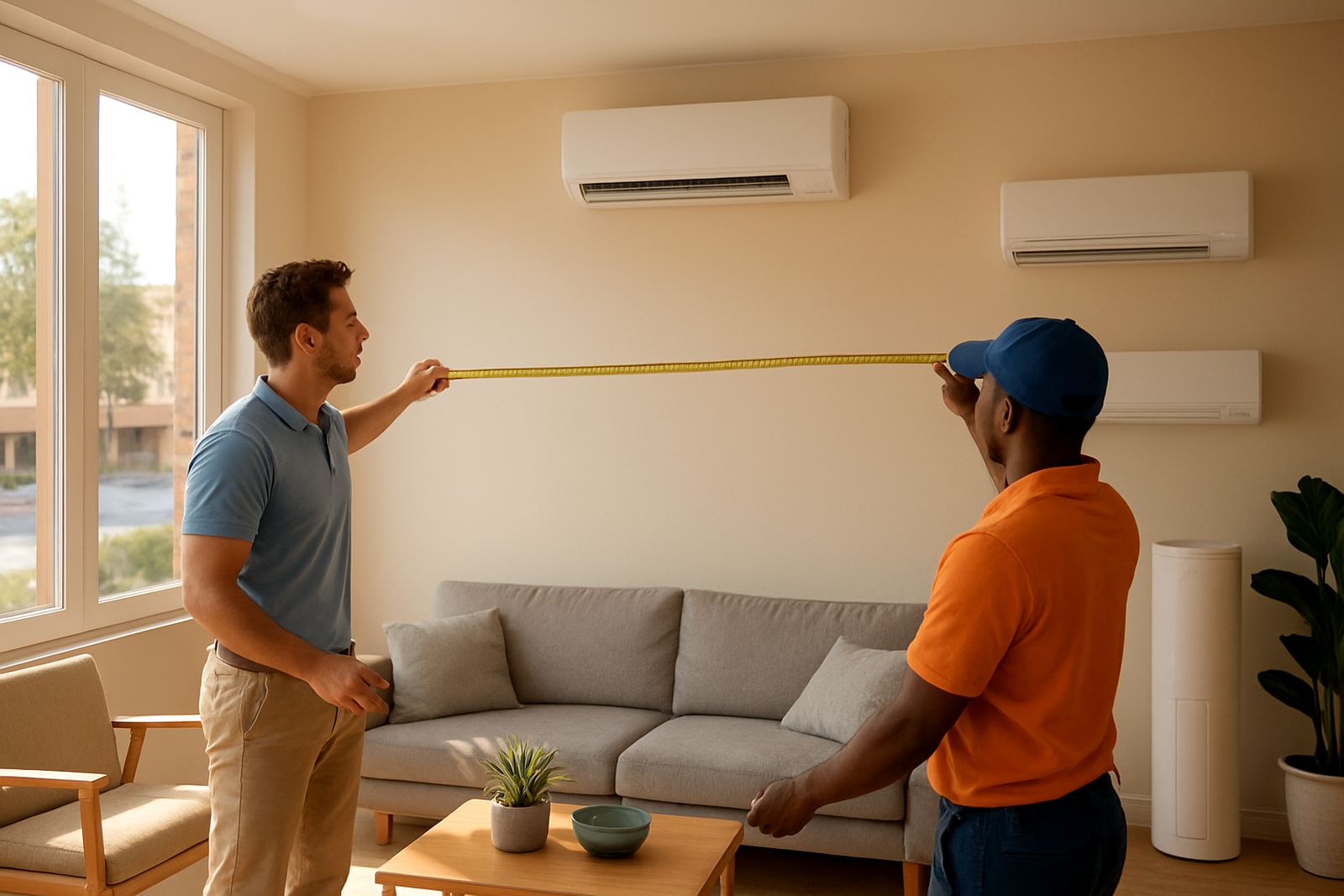
Where possible, place the indoor unit so it can throw air across the front trading area without blowing straight onto customers at the till. A unit fitted in the wrong spot may cool the back wall and leave the entrance uncomfortable. In some shops, two smaller units work better than one large one because they cover the long path from the door to the back of the store.
Also check for direct afternoon sun on the glass. Tinting, blinds or a simple canopy can reduce heat gain and help the aircon do its job properly. If the front door opens onto a courtyard or passage, wind movement can affect performance too. That is why a site survey is worth doing before you buy.
What to Tell Us Before Supply and Fit
To size a shop properly, give us the facts up front. That saves time and avoids a unit that is too small or too big for the space. It also helps us plan cable routes, drainage and the best outdoor unit position for the building rules in your area.
- Shop size in metres and ceiling height
- Number of staff and average customer traffic
- Frontage type, glass area and door style
- Hours of trading each day
- Any heat from fridges, ovens, printers or IT equipment
- Where the outdoor unit can go, with enough airflow and service access
- Whether you want one unit, multiple units or a replacement for an old system
If the site is in a sectional title, mall, office park or busy street-facing property, there may be noise or placement rules to follow. It is better to confirm this before installation than to shift the unit later.
After Installation, Keep the Cooling Working Properly
Once the aircon is fitted, the job is not finished. Retail filters clog faster because of dust, door traffic and daily use. In dry Gauteng conditions, a shop near a main road can need service sooner than expected. In coastal-style humidity is less of a problem in Johannesburg, but dirty filters and blocked drains still cause weak cooling and bad smells.
Build a simple routine into the month:
- Check filters every 2 to 4 weeks
- Keep the area around the outdoor unit clear
- Make sure the drain line is flowing
- Watch for strange noise, water drip or uneven cooling
- Book servicing before peak summer, not after a breakdown
If your shop uses solar support or has backup power, the unit can often be set up to work more sensibly during outages. That can help keep stock, staff and customers comfortable when load-shedding hits.
For the right size and placement, a proper site survey is usually the safest step. It gives you a unit that suits the frontage, the traffic and the way the shop actually runs day to day.