Start with the bedroom size, not just the look of the unit
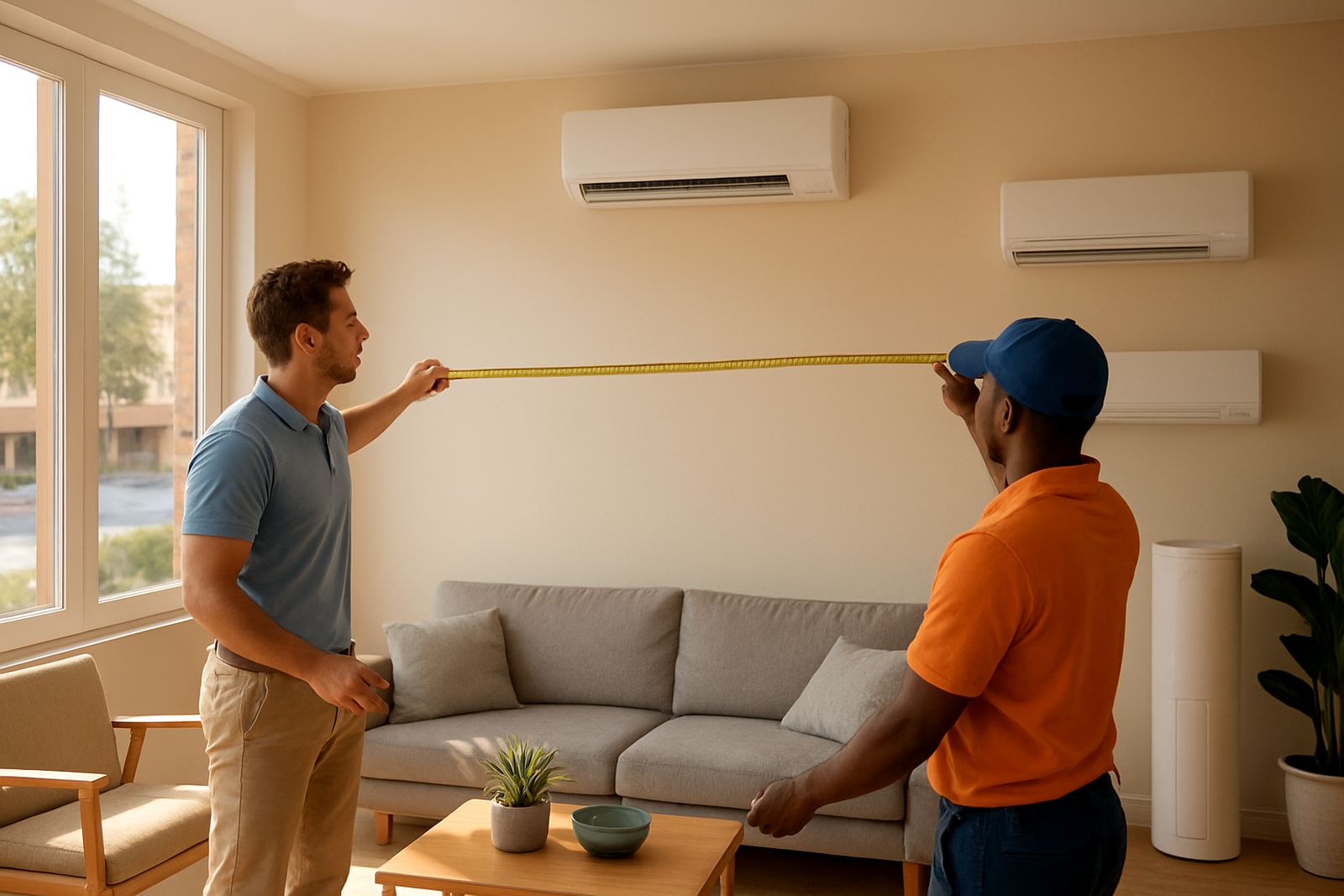
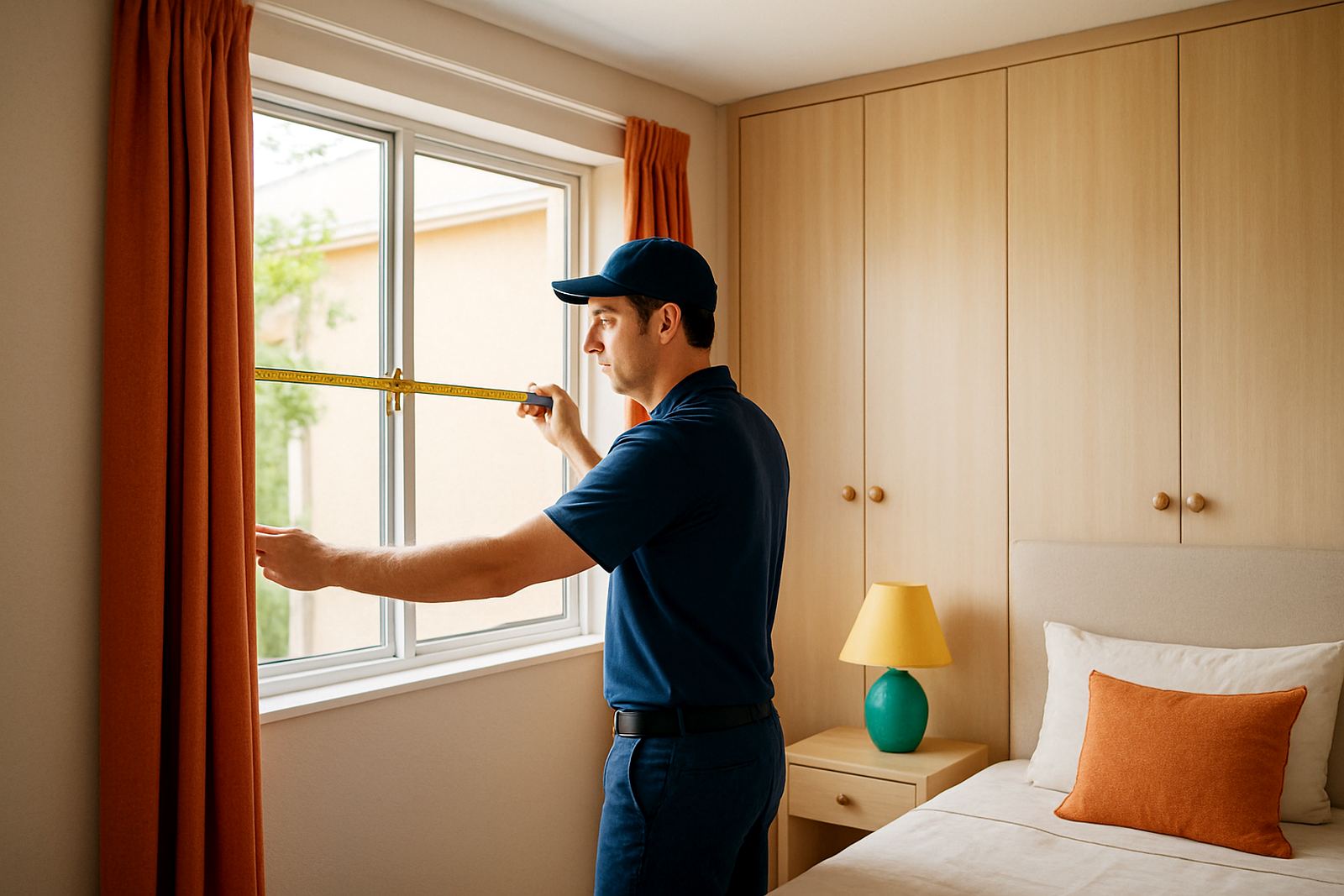
The quickest way to narrow down the right aircon size is to measure the bedroom in metres. Multiply length by width to get the floor area, then note the ceiling height. A standard room with a 2.4 m ceiling needs less cooling than a room with a higher ceiling or exposed roof space.
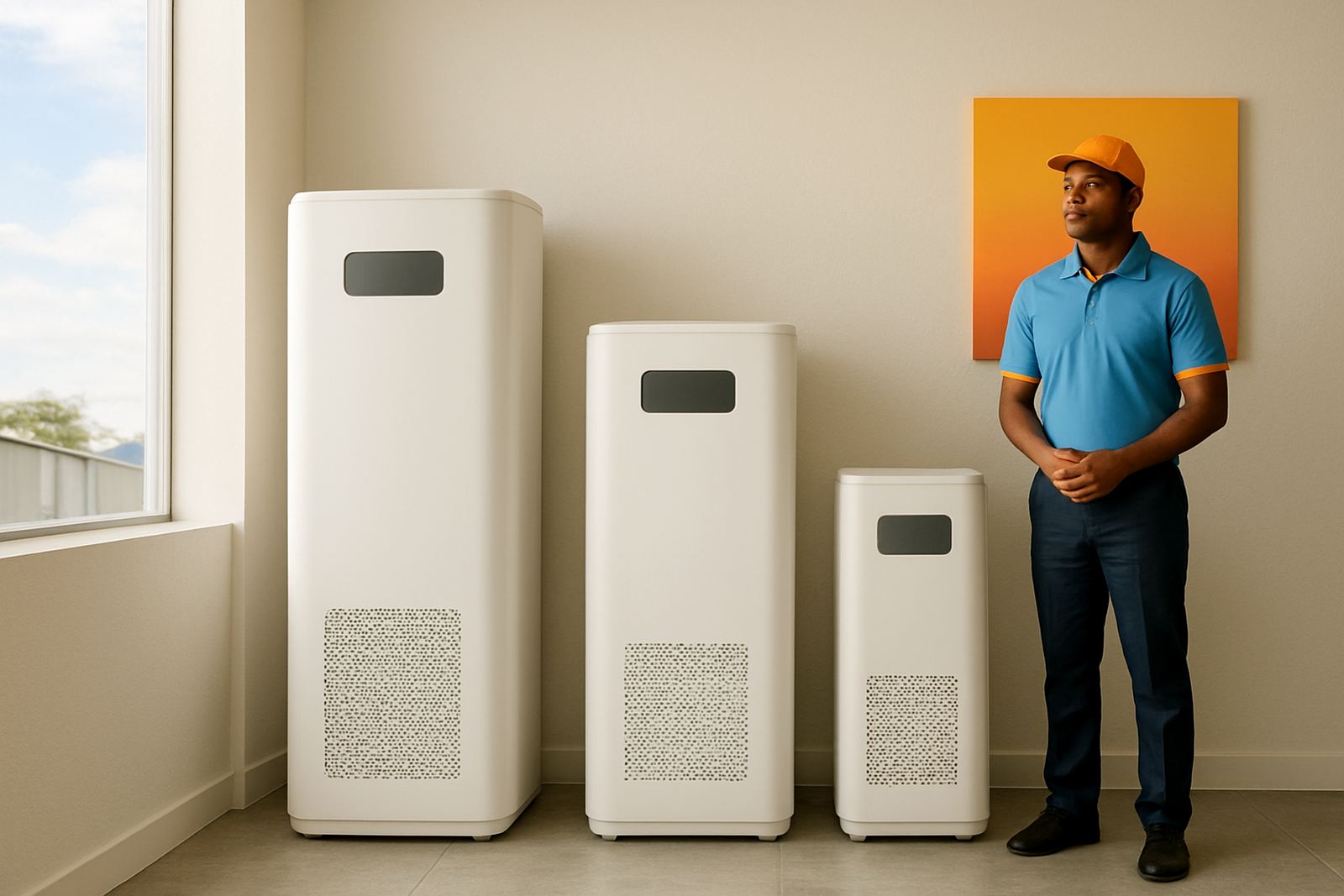
For most homes in Johannesburg North, Sandton, Randburg and Midrand, the basic starting point is this: small bedrooms of about 9 to 12 m2 usually need a 2.5 kW unit, medium bedrooms of about 12 to 18 m2 often suit 3.5 kW, and larger bedrooms of 18 to 25 m2 may need 5.0 kW or more. These are starting figures only, because sun exposure and insulation can change the answer quite a lot.
- Measure length and width in metres
- Check ceiling height if it is higher than standard
- Note whether the room gets morning or afternoon sun
- Count windows, glass doors and outside wall area
Use room conditions to adjust the size up or down
Two bedrooms with the same floor area can need different sized units. A west facing bedroom in Randburg that bakes in the late afternoon can need more cooling than a shaded room of the same size. Rooms over garages, rooms with thin ceilings, and top-floor rooms in townhouse complexes also hold heat for longer.
Bedrooms with heavy curtains, proper ceiling insulation and good sealing around doors can often use a smaller unit. If the room is coastal in feeling or has damp summer air, cooling may still be required but the unit should also manage moisture well. In Gauteng, the air is usually drier than coastal towns, so sensible cooling capacity matters more than dehumidifying power.
- Add capacity for strong sun on west or north-west walls
- Add capacity for poor insulation or a high roof
- Reduce the load if the room is shaded and well sealed
- Consider the number of people sleeping in the room every night
Small, medium and large bedroom guide
Here is a practical bedroom guide that works well for many homes in Johannesburg and the East Rand. For a small bedroom of 9 to 12 m2, a 2.5 kW split unit is often enough if the room is reasonably insulated and not in full sun. For a medium room of 12 to 18 m2, 3.5 kW is usually the safer choice. For a large bedroom of 18 to 25 m2, 5.0 kW is often needed, especially if the room gets hot before sunset.
If the bedroom is used as a main suite with a dressing area, a reading corner, or a work setup, allow for the extra heat from people and equipment. A room with two occupants and a television will always load the system more than a quiet single sleeper room. It is better to size carefully than to buy too small and let the unit run flat out all night.
- 9 to 12 m2: usually 2.5 kW
- 12 to 18 m2: usually 3.5 kW
- 18 to 25 m2: usually 5.0 kW or more
- Above 25 m2: ask for a site check before buying
Choose between split, inverter and solar options
For most bedrooms, a split aircon is the common choice because it is quiet and neat on the wall. An inverter model is worth considering where the aircon runs for long periods at night, because it varies the compressor speed and can use less power once the room is cooled. That can make a real difference during load-shedding recovery and on high Eskom tariff months.
Solar aircon options are useful where the home already has solar power or where the owner wants to reduce grid use. They still need proper sizing, and the bedroom must be matched carefully to the system. Heat pumps are a separate product for water heating, while atmospheric water generators are for water supply needs, so they are not a substitute for bedroom cooling.
- Split units suit most bedrooms and are usually quiet
- Inverter units suit overnight use and variable loads
- Solar-ready systems suit homes with panels and backup power
- Quiet operation matters in bedrooms more than in living areas
Installation points that affect performance
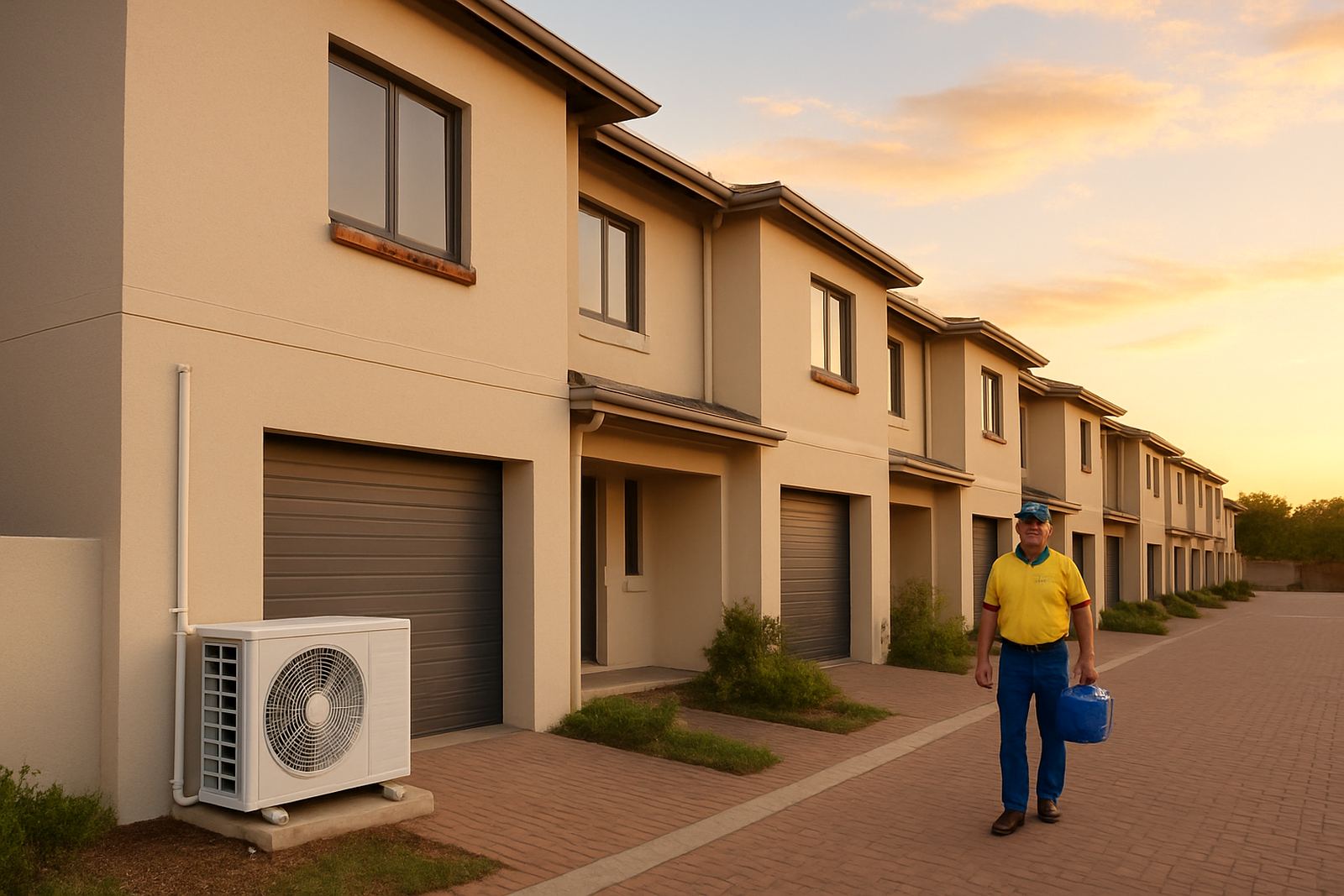
Even the right sized aircon can underperform if it is placed badly. In bedrooms, the indoor unit should not blow straight onto the bed if possible, because that can cause discomfort during the night. It should also be mounted where air can move freely and not get trapped behind cupboards or curtains. The outdoor unit needs proper ventilation, secure fixing and enough space for service access.
For homes in Sandton, Midrand and parts of the West Rand, check building rules before drilling walls or mounting outside equipment on shared areas. In complexes and offices, it is sometimes necessary to obtain permission for the route of the piping and the position of the outdoor unit. Good installers will also check cable size, drainage and switch protection. A poor drain slope can cause water backflow and stains, which is a headache later.
Quick bedroom checklist before you order
Before you buy, take ten minutes to walk through the room and tick off the main points. This helps avoid buying a unit that is too small or too large for the space. If you are not sure, a site survey is the safer route, especially for bigger homes, upstairs bedrooms or rooms with unusual layouts.
- Room size measured in metres
- Ceiling height checked
- Sun direction noted
- Window size and curtain type checked
- People sleeping in the room counted
- Backup power or solar supply confirmed
- Permission for external unit placement confirmed where needed
If you are in Johannesburg North, Randburg, Sandton, Midrand, the East Rand or West Rand, supply-and-fit support can save time because the unit, piping and installation are matched as one job. For bedrooms especially, a careful fit is worth more than a quick sale.