Start with the room size and how it is used
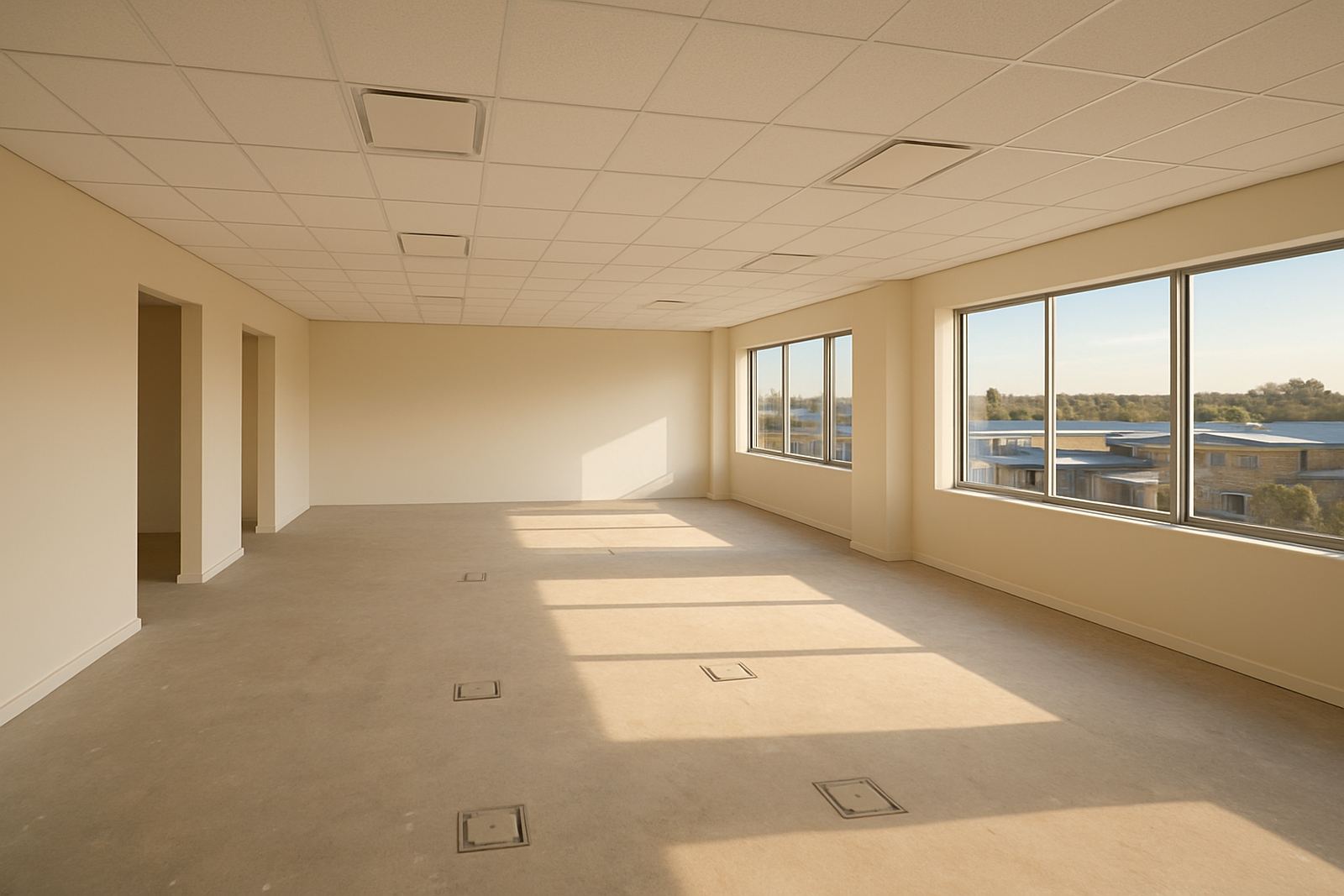
The first thing to confirm is the room size in square metres, ceiling height and what the room is used for during the day. A small bedroom in Randburg has very different needs from a north-facing office in Sandton with glass all along one wall.
Measure the length and width of the room, then note whether it gets strong afternoon sun, has poor insulation, or is packed with people and equipment. In Johannesburg North we often see people ask for a larger machine when the real issue is heat gain from big windows or a hot roof.
- Room size in metres and ceiling height
- Number of people normally in the room
- Window size and sun exposure
- Heat from servers, printers or kitchen equipment
- Whether the space is a bedroom, living area, office or shop
Choose the right type of system for the job
Not every air-conditioner suits every property. A split unit is common for single rooms, while an inverter model helps with steadier running and better electricity use when the room is occupied for long periods. For homes and small offices in Gauteng, that can make a real difference when load-shedding or high summer demand pushes people to run their systems more often.
If you want cooling plus heating, say so upfront. If the property already has another system or you are replacing an old one, ask whether the existing piping, power supply and drain route can still be used. That can save time, but only if the old setup is still in good condition.
- Split, inverter or solar aircon
- Cooling only or cooling and heating
- New installation, replacement or relocation
- Single room, multiple rooms or office floor
- Need for quieter operation in bedrooms or boardrooms
Check the electrical supply before you compare prices
One of the biggest mistakes is asking for an aircon quote before checking the electrical supply. The unit size, circuit protection and cable route must match the building. In older houses around the West Rand or East Rand, the panel may need attention before a new system can be fitted safely. That affects the final cost and the timing.
For solar-ready systems, ask what is included and what is still needed on site. If the property has inverters, batteries or a generator, the installer needs to know that in advance. On busy commercial sites, it also helps to confirm whether work can happen after hours or only during office times.
- Current supply capacity and breaker size
- Whether the DB board has spare space
- Distance from power point to indoor and outdoor units
- Need for cable trunking or concealed piping
- Backup power, solar or generator details
Measure the installation points, not just the room
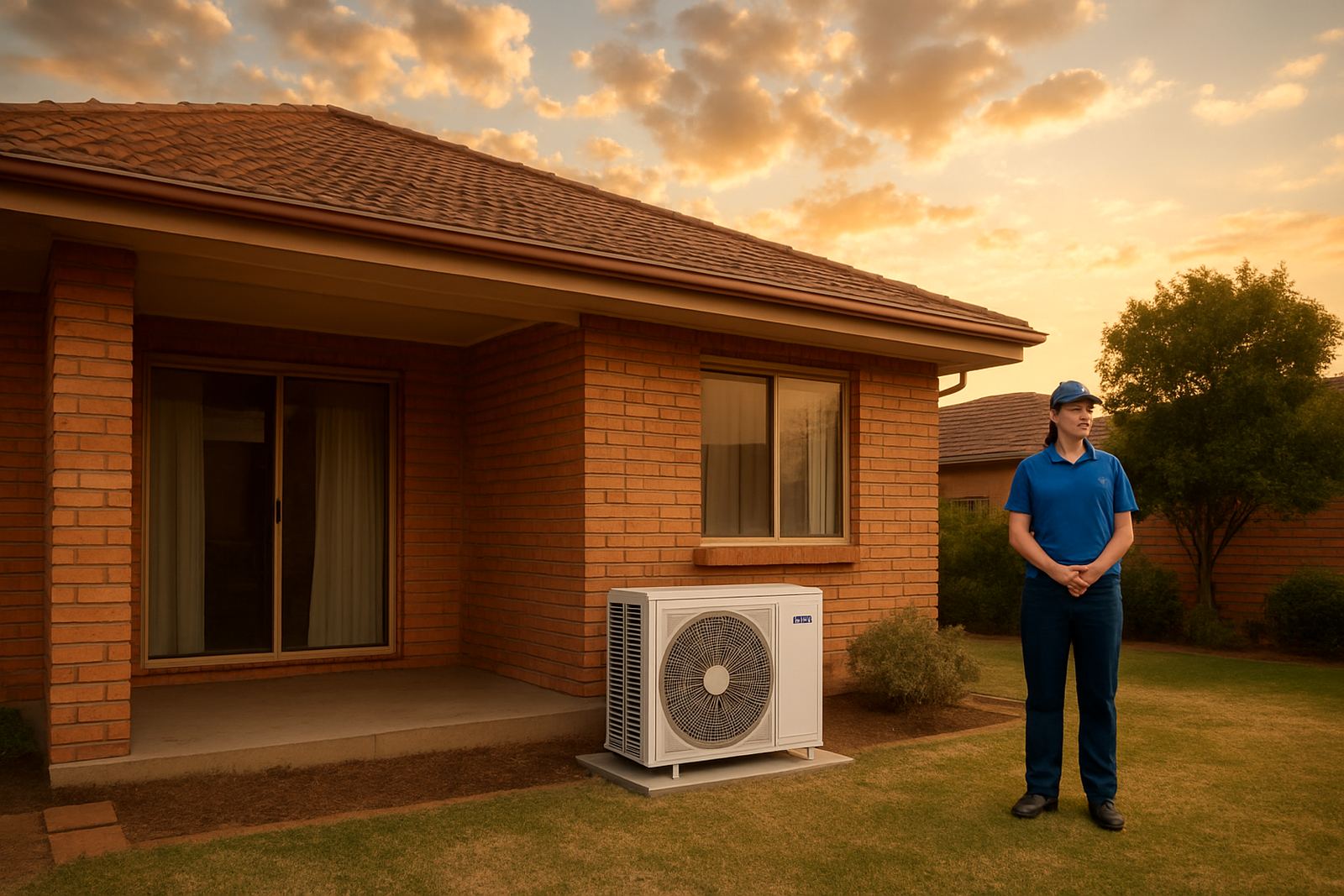
The room size matters, but so do the places where the units will go. The indoor unit needs a sensible wall position, good airflow and enough space above and around it. The outdoor unit needs a place with proper ventilation, safe access for servicing and a solid mounting surface. On a tiled roof or upper balcony, extra access equipment may be needed.
In humid parts of Gauteng or properties with long service corridors, drain routing matters too. A poor drain slope can cause dripping inside the room later on. Ask the installer to check where the condensate water will run and where the outside unit will discharge. It sounds small, but it prevents call-backs and mess.
- Wall space for indoor and outdoor units
- Safe access for installation and future servicing
- Drain route for condensation water
- Noise impact on neighbours or adjoining offices
- Need for brackets, stands or wall support
Ask what is included in the quote
Not all quotes mean the same thing. Some include only the equipment, while others include fittings, labour, pipework, commissioning and a basic warranty handover. Before you accept a price, ask for a written breakdown so you can compare like for like. That is especially useful when one quote looks lower but leaves out key items.
A proper supply-and-fit quote should make it clear what happens if the site needs extras such as longer pipe runs, a drain pump, electrical upgrades or core drilling through a wall. If the installer has not seen the site, send clear photos and measurements. Better still, arrange a site survey for larger homes, offices or shops.
- Equipment model and capacity
- Labour and standard installation items
- Pipe length and electrical work included
- Testing, commissioning and handover
- Extra charges for difficult access or long runs
Think past day one: servicing, repairs and running costs
An air-conditioner is not a once-off purchase. It needs cleaning, filter care and periodic servicing to keep airflow strong and power use under control. In a commercial office, regular maintenance also helps reduce downtime and odours from blocked drains or dust build-up. A household unit in Midrand may only need a straightforward service, but a busy reception area or salon will need more frequent attention.
Ask how often the unit should be serviced, what the maintenance plan covers and who to call if cooling drops off in the middle of summer. If the system uses a heat pump for water heating, ask about tank size, recovery time and whether the site plumbing is ready. It is also worth checking if the contractor handles repairs and relocations later, not just the first install.
- Service intervals and filter cleaning
- Warranty terms and what can void them
- Availability of repairs after installation
- Running cost expectations for the chosen system
- Support for future moves, upgrades or replacements